
 EN
EN
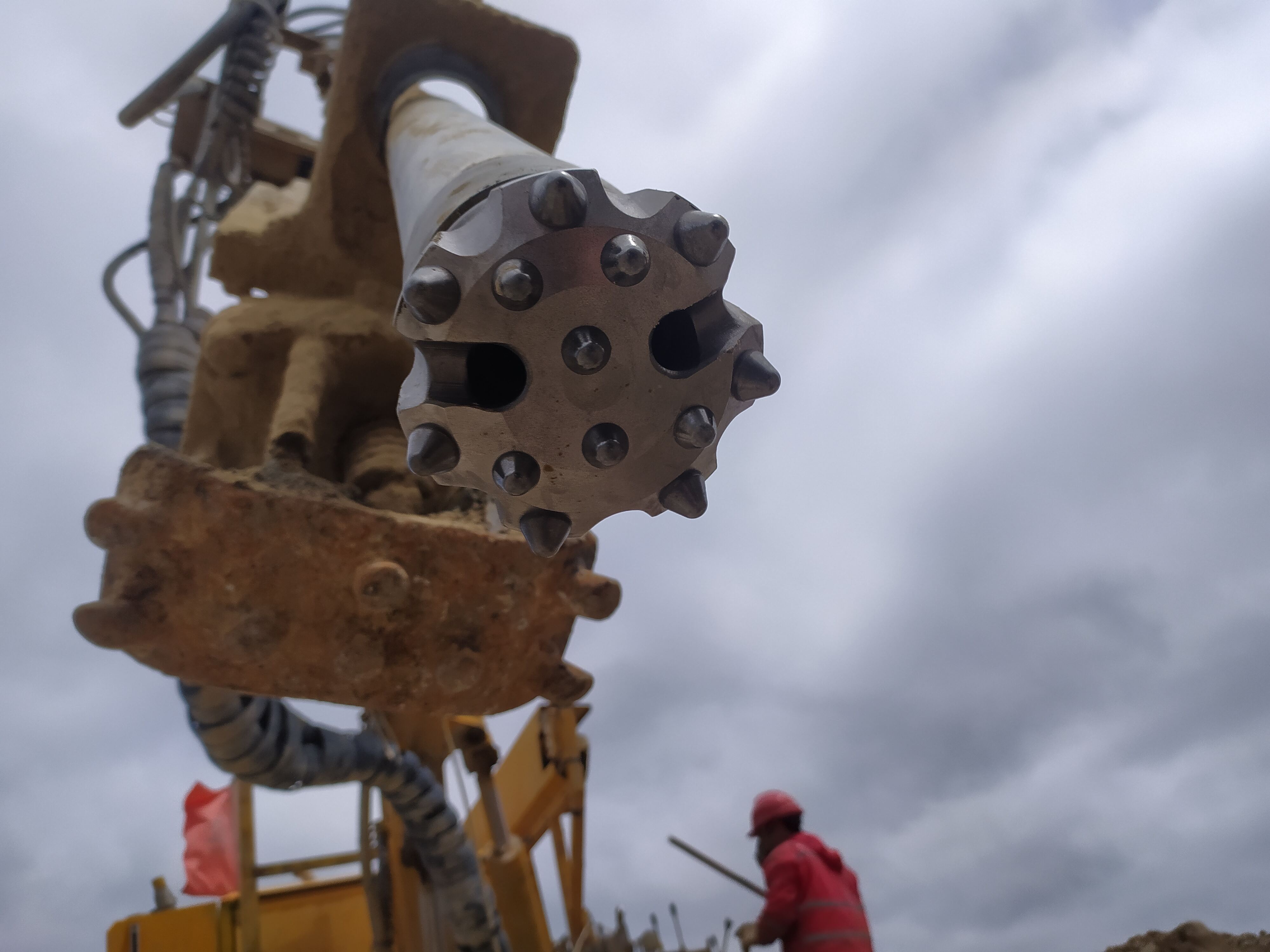
Kartof sənayesi, operativ səmərəliliyi və məhsuldarlığı standartlarını yenidən qurmaqla inkişaf etdirən dth artıq delgic texnologiyaları ilə əvvəldən belə olmamış dərəcədə çevrilmə keçirir. Müasir dth artıq delgic sistemləri çətin geoloji şəraitdə üstünlük təmin etmək üçün irəliləmiş materialşünaslıq, dəqiqlik mühəndisliyi və ağıllı avtomatlaşdırmanı özündə birləşdirir. Bu innovasiyaların minerallar şirkətlərinin əməliyyatlarının kəşfiyyat, inkişaf və istehsal mərhələlərinə yanaşmasını fundamental dərəcədə dəyişib. Dth artıq delgic avadanlığının inkişafı, nüfuz dərəcəsini maksimuma çatdırmağa, eyni zamanda əməliyyat xərclərini və ekoloji təsiri minimuma endirməyə yönəlmiş onilliklər boyu aparılan tədqiqat və inkişaf işlərini əks etdirir.
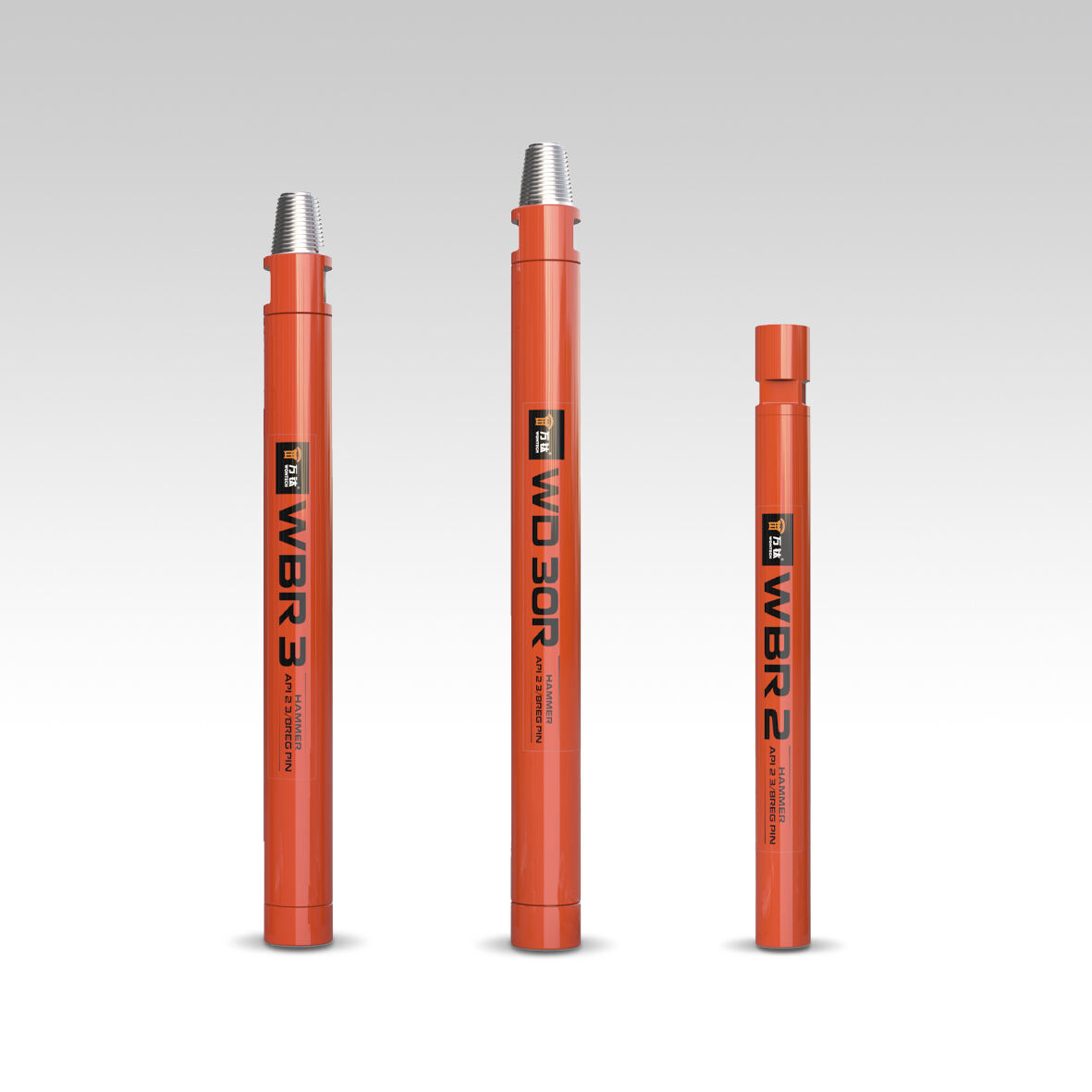
İrəlli Çəkic Dizayn Texnologiyaları
Volfram Karbid Uçlu Bit İnkişafları
Müasir dth qazma əməliyyatları çoxmərhələli kəsici həndəsələr və yaxşılaşdırılmış aşınmaya davamlı örtükləri birləşdirən inqilabi volfram karbid uçluq dizaynlarından faydalanır. Bu irəlli uçluqlar müxtəlif geoloji formasiyalarda qaya parçalanma naxışlarını optimallaşdırarkən sabit qazma performansını saxlayan strategiyaya uyğun yerləşdirilmiş karbid daxiletmələrə malikdir. Kompyuter köməyilə dizayn proseslərinin tətbiqi istehsalçıların enerji ötürmə səmərəliliyini maksimum dərəcədə artırmaq üçün dəqiq hesablanmış üz profillərinə malik uçluqlar hazırlamasına imkan verib. Müasir dth qazma sistemləri bu cür mürəkkəb uçluqlardan istifadə edərək ənənəvi gözləntiləri keçən penetrasiya sürətlərinə nail olur və eyni zamanda iş resursunu əhəmiyyətli dərəcədə uzadır.
İrəli metallurgiya üsullarının birləşdirilməsi, aşındırıcı formasiyalarda davamlı performansı təmin edən yüksək sərtlik-nadirlik nisbətinə malik volfram karbid tərkibləri yaratmışdır. İstehsal proseslərinə indi isti izostatik presləmə və dəqiqlikla zımparalama texnologiyaları daxil edilmişdir ki, bu da seriya istehsalı zamanı keyfiyyətin və ölçülərin dəqiq saxlanmasını təmin edir. Bu yeniliklər dth qazma imkanlarını dəyişdirmiş, operatorlara son dərəcə çətin şəraitdə olan qaya şəraitində belə optimal performans parametrlərini saxlamağa imkan verir. Karbid markalarının və yapışdırıcı maddələrin kəsilməz təkmilləşdirilməsi, istilik deformasiyasına və mexaniki aşınmaya qarşı fövqəladə müqavimət göstərən frezlərin yaranmasına səbəb olmuşdur.
Ağıllı Çekic Nəzarət Sistemləri
İnnovativ idarəetmə sistemləri indi dərinlikdən sondaj çəkici işlərini təsir tezliyi, hava təzyiqi paylanması və istilik şəraiti daxil olmaqla real vaxt rejimində iş performans parametrlərini izləyən mürəkkəb sensor şəbəkələri vasitəsilə idarə edir. Bu ağıllı sistemlər optimal sondaj səmərəliliyini qorumaq və tərs şəraitdən dolayı avadanlıqların zədələnməsini mane etmək üçün avtomatik olaraq iş parametrlərini tənzimləyir. İrəli alqoritmlər potensial problemləri onlar hasilatı təsir etməzdən əvvəl müəyyənləşdirmək üçün davamlı məlumat axınlarını emal edir ki, bu da proaktiv təmir planlaşdırılmasını və operativ optimallaşdırmanı imkanlandırır. Simli rabitə texnologiyalarının inteqrasiyası eyni vaxtda bir neçə dərinlikdən sondaj qurğusunun uzaqdan izlənilməsinə və idarə edilməsinə imkan verir.
Müasir idarəetmə sistemlərinə daxil edilmiş maşın öyrənməsi alqoritmləri müəyyən geoloji şərait üçün optimal quyulanma parametrlərini proqnozlaşdırmaq üçün tarixi performans məlumatlarını təhlil edir. Bu sistemlər toplanmış təcrübə əsasında əməliyyat protokollarını davamlı olaraq təkmilləşdirir və nəticədə səmərəlilikdə tədricən yaxşılaşma və əməliyyat xərclərinin azalması müşahidə olunur. Mürəkkəb geriyə əlaqə mexanizmləri operatorların təcrübə səviyyəsindən asılı olmayaraq dth quyulanma əməliyyatlarının sabit keyfiyyət standartlarını saxlamasına imkan verir. Reallığa yaxın məlumat analitikası hasilat mühəndislərinə yeraltı şərait və quyulanma performansı meylləri barədə əvvəllər olmayan dərəcədə fikirlər verir.
Yüksək Təzyiqli Hava Paylama Şəbəkələri
Kompresor Texnologiyasında İrəliləyişlər
Dth qazma tətbiqetmələri üçün xüsusi olaraq nəzərdə tutulmuş ən müasir kompressor sistemləri dəyişən sürətli sürüşdürmə texnologiyalarını və enerji səmərəliliyini əhəmiyyətli dərəcədə artırmağa imkan verən inkişaf etmiş istilik istifadə sisteminə malikdir. Bu müasir kompressorlar uzunmüddətli qazma əməliyyatları boyu optimal hava temperaturu və təzyiq şəraitini saxlayan çoxmərhələli sıxılma ilə işləyən soyutma sistemlərinə malikdir. Rəqəmsal idarəetmə sistemlərinin tətbiqi konkret qazma tələblərinə uyğun olaraq hava axını sürətlərinin və təzyiq səviyyələrinin dəqiq tənzimlənməsini təmin edir. İnkişaf etmiş filtrasiya və nəm çıxarma sistemləri dth qazma komponentlərini çirklənmədən qorumaq üçün sabit hava keyfiyyətini təmin edir.
Müasir kompressor dizaynları, təmir cədvəlini optimallaşdırmaq üçün komponentlərin aşınma nümunələrini və performansın pisləşmə göstəricilərini izləyən proqnozlaşdırıcı təmir texnologiyalarını özündə birləşdirir. Bu sistemlər, avadanlıq arızalarına səbəb olmazdan əvvəl potensial problemləri müəyyən etmək üçün vibrasiya analizindən, termal görüntüləmədən və yağ analizi protokollarından istifadə edir. Uzaqdan izləmə imkanlarının inteqrasiyası təmir komandalarının bir neçə dth qazma sahəsində eyni zamanda kompressor performansını izləməsinə imkan verir. Enerji istifadəsi sistemləri, sistem ümumi səmərəliliyini yaxşılaşdırmaq üçün işləmə proseslərindən atılan istiliyi tutur və sahə əməliyyatları üçün köməkçi enerji təmin edir.
Dəqiqlik Hava Axını İdarəetməsi
İnkişaf etmiş hava paylama şəbəkələri dth qazma avadanlıqları üçün sabit iş şəraitini təmin etmək üçün inkişaf etmiş təzyiq tənzimləmə sistemlərindən və yüksək tutumlu saxlama baklarından istifadə edir. Bu sistemlər, pik yüklənmə dövrlərində belə davamlı işləməni təmin edən çoxsaylı təzyiq zonalarını və avtomatik keçid mexanizmlərini özündə birləşdirir. Rəqəmsal axın ölçüləri və təzyiq sensorları optimal qazma şəraitinin saxlanması üçün paylama parametrlərinin avtomatik tənzimlənməsini imkan verən real vaxt rejimində məlumatlar təqdim edir. Götürmənin pozulması əhəmiyyətli məhsuldarlıq itkilərinə səbəb olacaq kritik tətbiqlərdə işin davamlılığını təmin etmək üçün ehtiyat sistemlərinin tətbiqi nəzərdə tutulur.
Müasir hava paylama arxitekturaları dəyişən iş tələblərinə və sahə planlaşdırılmasına uyğun sürətlə konfiqurasiya edilməyə imkan verən modullu dizaynlara malikdir. Tez birləşmə qoşquları səmərəli köçürülməni mümkün edir dth bürkümü sistem bütövlüyü və performans standartlarını qoruyaraq avadanlıq. İntellektual marşrutlaşdırma alqoritmləri paylayıcı şəbəkədə təzyiq itkisini və enerji istehlakını minimuma endirmək üçün hava axını nümunələrini optimallaşdırır. Bu irəliləmiş sistemlər sistemdə ümumi təzyiqin azalmasını qarşısını almaq üçün problemli bölmələri aşkar edən və izolyasiya edən avtomatik sızıntı aşkarlama imkanları daxil edir.
Avtomatlaşdırılmış Qurğunu Sürüşdürmə Parametrlərinin Optimallaşdırılması
Həqiqi Vaxt rejimində Geoloji Təhlil
İnkişaf etmiş dth qazma sistemləri, yeraltı şəraitin və süxurların xarakteristikalarının kəsintisiz təhlilini təmin edən irəliləmiş geoloji sensor texnologiyalarını birləşdirir. Bu sistemlər geoloji keçidləri müəyyənləşdirmək və uyğun olaraq qazma parametrlərini optimallaşdırmaq üçün nüfuzetmə sürətinin monitorinqindən, moment analizindən və vibrasiya imzasının interpretasiyasından istifadə edir. Mürəkkəb alqoritmlər qazma performansı məlumatlarını geoloji modellərlə əlaqələndirir və gələcək formasiya dəyişikliklərinin dəqiq proqnozunu verir. Yeraltına nüfuzedən radar və seysmik analiz texnologiyalarının inteqrasiyası dth qazma əməliyyatları zamanı geoloji təfsirin dəqiqliyini artırır.
Real vaxt rejimində məlumatların emalı qabiliyyəti geoloji şəraitin dəyişməsinə əsasən quyuların sürüşdürmə parametrlərini dərhal tənzimləməyə imkan verir, bu da səmərəliliyi artırır və avadanlıqların aşınmasını minimuma endirir. İrəliləmiş nümunəni tanıma sistemləri toplanmış iş performansı bazalarına əsaslanaraq müəyyən süxurlar üçün optimal sürüşdürmə texnikalarını müəyyən edir. Bu texnologiyalar alt yan şəraitlərinə dair əvvəllər olmayan dərəcədə dərinliqli təhlillər təqdim etməklə və proaktiv operativ tənzimləmələr həyata keçirməklə dth-quyuların sürüşdürülməsi prosesini inqilablaşdırmışdır. Geoloji analiz alqoritmlərinin davamlı təkmilləşdirilməsi sürüşdürmənin dəqiqliyi və məhsuldarlığında kəskin yaxşılaşmalara səbəb olmuşdur.
Adaptiv idarəetmə alqoritmləri
Mürəkkəb idarəetmə sistemləri real vaxtda əldə edilən performans məlumatları və keçmiş məlumatların təhlili əsasında dərhal işləmə parametrlərini tənzimləyən maşın öyrənməsi alqoritmlərindən istifadə edir. Bu sistemlər müxtəlif geoloji şəraitdə optimal işləmə səmərəliliyini saxlamaq üçün qidalandırma təzyiqi, fırlanma sürəti və hava axını sürətini avtomatik olaraq tənzimləyir. İrəlli optimallaşdırma alqoritmləri bir eyni vaxtda bir neçə performans göstəricisini qiymətləndirərək avadanlıq yüklənməsini minimuma endirməklə maksimum hasilat əldə etməyə imkan verən parametrlər birləşməsini müəyyənləşdirir. Proqnozlaşdırıcı idarəetmə strategiyalarının tətbiqi növbəti geoloji keçidləri əsas götürərək işləmə parametrlərinin qabaqcıl şəkildə tənzimlənməsini təmin edir.
Müasir dth qazma sistemlərinə yerləşdirilmiş neyral şəbəkə texnologiyaları operator müdaxilələrindən və uğurlu qazma kampaniyalarından öyrənərək avtomatlaşdırılmış qərar qəbul etmə imkanlarını yaxşılaşdırır. Bu sistemlər müəyyən tətbiqlər və geoloji şərait üçün optimal qazma strategiyalarını dərindən başa düşməyə meyllidir. Adaptiv idarəetmə alqoritmləri toplanmış təcrübə əsasında öz iş fəaliyyəti protokollarını davamlı olaraq təkmilləşdirir və nəticədə performansın tədricən yaxşılaşmasına və operativ dəyişkənliyin azalmasına səbəb olur. Ekspert sistem texnologiyalarının inteqrasiyası onilliklər boyu dth qazma təcrübəsi ərzində formalaşmış ən yaxşı təcrübələrin avtomatik tətbiqinə imkan verir.
Yaxşılaşdırılmış Materiallar və Dayanıqlılıq
İrəli Sürünmüş Polad Tərkibləri
Dth sərfləri üçün xüsusi olaraq hazırlanmış inqilabçı polad ərintiləri, üstün möhkəmlik, davamlılıq və aşınmaya qarşı müqavimət təmin edən irəliləmiş metalşünaslıq texnikalarını birləşdirir. Bu xüsusi materiallar, ekstremal iş şəraitində uzunmüddətli performansı təmin etmək üçün dənə strukturunun və mexaniki xassələrinin optimallaşdırıldığı nəzarətli istilik emalı prosesindən keçir. Xüsusi polad tərkiblərinin hazırlanması komponentlərin istismar müddətinin və işləməsinin etibarlılığının əhəmiyyətli dərəcədə yaxşılaşmasına imkan verib. Müasir dth sərf avadanlıqları bu irəli addım materials ilə ən yüksək davamlılıq standartlarına çatmaq və eyni zamanda optimal çəki-möhkəmlik nisbətini saxlamaq üçün istifadə edir.
Nitridləşdirmə, karburizasiya və inkişaf etmiş örtük tətbiqlərini əhatə edən səth emalı texnologiyaları dth qazma komponentlərinin iş performansını daha da artırır. Bu emal üsulları abrasiv aşınmaya qarşı istisnalı müqavimət yaradan, lakin nüvənin möhkəmliyini saxlayan sərt səth təbəqələri yaradır. Keyfiyyətə nəzarət protokollarının tətbiqi istehsal partiyaları və tətbiqlər üzrə material xüsusiyyətlərinin sabitliyini təmin edir. İnkişaf etmiş test metodları dth qazma tətbiqlərində etibarlı sahə performansını təmin etmək üçün simulyasiya olunmuş iş şəraitində materialların performansını yoxlayır.
Koroziyaya Müqavimət Texnologiyaları
Ən son korroziya qarşısını alma sistemləri xüsusi örtüklər, katod qorunması və korroziyaya davamlı ərinti tərkibləri daxil olmaqla bir neçə maneə texnologiyasını birləşdirir. Bu kompleks qorunma strategiyaları dth qazma əməliyyatlarında yayılmış olan çətin şəraitdə avadanlıqların istismar müddətini əhəmiyyətli dərəcədə artırır. İrəli səviyyə örtük texnologiyaları korroziya agentlərinin əsas materiallara çatmasının qarşısını alan molekulyar səviyyədə maneələr yaradır və eyni zamanda iş funksionallığını saxlayır. Qurban anod sistemlərinin inteqrasiyası yüksək korroziyalı mühitlərdə kritik komponentlər üçün əlavə qorunma təmin edir.
Ekoloji monitorinq sistemləri daimi olaraq korroziya riski amillərini qiymətləndirir və potensial material degradasiya problemlərinin qabaqlayıcı xəbərdarlıq sistemi kimi çıxış edir. Bu sistemlər, bahalı avadanlıq arızalarının qarşısını alan və istismar müddətini uzadan proaktiv təmir tədbirlərini imkan verir. DTH quyu çənənə avadanlığı üçün korroziyadan mühafizə sahəsində son dövrlərin ən böyük nailiyyəti özünü bərpaedən örtük texnologiyalarının inkişafıdır. İrəli səviyyədə olan qeyri-mahvedici test üsullarından istifadə edən müntəzəm yoxlama protokolları isə avadanlıqların həyat dövrü ərzində korroziyadan mühafizə sistemlərinin davamlı effektivliyini təmin edir.
Rəqəmsal İnteqrasiya və Uzaqdan Monitorinq
İnternet Qurğuları Həlləri
İntellektual İnternet texnologiyaları dth qazma avadanlığı ilə mərkəzləşdirilmiş monitorinq sistemləri arasında əlaqəni təmin edir və real vaxt rejimində iş nəzarəti və performans analizini imkanlandırır. Bu cür inkişaf etmiş şəbəkələr sərt rabitə şəraitinə malik uzaq yerlərdə belə etibarlı məlumat ötürülməsini təmin edən sənaye standartlı simsiz rabitə protokollarından istifadə edir. Bulud əsaslı məlumat saxlama və emal sistemləri limitli olmayan məlumat saxlama və uzunmüddətli performans optimallaşdırılması strategiyalarını dəstəkləyən irəli analitik imkanlar yaradır. Peyk vasitəsilə rabitə sisteminin inteqrasiyası isə yerüstü infrastrukturun məhdudiyyətlərindən asılı olmayaraq davamlı əlaqəni təmin edir.
DTH qazma sistemlərinin daxilinə yerləşdirilmiş intellektual sensor şəbəkələri, titrəmə siqnalları, temperatur profilləri, təzyiq paylanmaları və performans metrikaları daxil olmaqla, ətraflı iş məlumatlarını toplayır. Bu sensorlar texniki xidmət tələb etmədən uzun müddətli işləməyə imkan verən aşağı güc sərfiyyatlı rabitə protokollarından istifadə edir. İrəliləmiş məlumat sıxlaşdırma alqoritmləri ötürmə zolağı enişliliyindən daha effektiv istifadə etməyə, eyni zamanda məlumat bütövlüyünü və dəqiqliyini qorumağa kömək edir. Kənar hesablama texnologiyalarının tətbiqi gecikməni azaldan və sistemin çevikliyini artırıcı, yerli məlumat emalı və qərar qəbulu imkanları yaradır.
Proqnozlaşdırma Texniki Servis Sistemləri
Mürəkkəb proqnozlaşdırıcı təmir platformaları dth qazma sistemləri üçün avadanlıqların potensial nasazlıqlarını müəyyən etmək və təmir cədvəlləşdirməsini optimallaşdırmaq məqsədilə iş prosesinin davamlı məlumat axınlarını təhlil edir. Bu sistemlər komponentlərin sıradan çıxma nümunələrini proqnozlaşdırmaq və qabaqcıl təmir tədbirlərini tövsiyə etmək üçün bir neçə performans göstəricisini əlaqələndirən irəliləmiş alqoritmlərdən istifadə edir. Maşın öyrənmə texnologiyaları toplanmış iş təcrübəsi və nasazlıq məlumatlarına əsasən proqnoz dəqiqliyini davamlı olaraq təkmilləşdirir. Təmir idarəetmə sistemlərinin inteqrasiyası optimal təmir səmərəliliyi üçün avtomatlaşdırılmış iş sifarişlərinin yaradılması və resursların paylanması imkanını verir.
Vəziyyətə əsaslanan monitorinq texnologiyaları təmir intervallarının və prosedurlarının optimallaşdırılmasına imkan verən avadanlıqların iş vəziyyətinin və performansın pisləşmə meyllərinin davamlı qiymətləndirilməsini təmin edir. Bu sistemlər diqqət tələb edən konkret komponentləri müəyyən edən və uyğun təmir tədbirlərini tövsiyə edən ətraflı hesabatlar yaradır. İrəlli diaqnostika imkanları avadanlığın dayanma vaxtını və operativ pozuntuları minimuma endirən uzaqdan təhlükəsizlik və texniki dəstəyi aktivləşdirir. Rəqəmsal təmir qeydlərinin tətbiqi uzunmüddətli aktiv idarəetmə strategiyalarını dəstəkləyən avadanlıqların tarixi və performans meylləri ilə bağlı kompleks sənədləşdirməni təmin edir.
SSS
Müasir dth quyuçuluq innovasiyalarının ənənəvi quyuculuq üsullarına nisbətən əsas üstünlükləri nələrdir
Müasir dth qazma inkişafı, nəfərbənöv penetrasiya sürətləri, yaxşılaşdırılmış dəqiqlik, azaldılmış iş xərcləri və çətin geoloji şəraitdə üstün performans daxil olmaqla əhəmiyyətli üstünlüklər təqdim edir. İrəli səviyyəli çəkic dizaynları ardıcıl təsir enerjisi təmin edir, mürəkkəb idarəetmə sistemləri isə avtomatik olaraq qazma parametrlərini optimallaşdırır. Proaktiv təmir texnologiyalarının inteqrasiyası avadanlıqların dayanma müddətini minimuma endirir və ənənəvi qazma üsullarına nisbətən iş resursunu əhəmiyyətli dərəcədə uzadır.
Ağıllı idarəetmə sistemləri dth qazmasının səmərəliliyini və təhlükəsizliyini necə artırır
Ağıllı idarəetmə sistemləri real vaxt rejimində parametrlərin optimallaşdırılması, geoloji şərtlərə avtomatik tənzimlənmə və avadanlıq nasazlıqlarının qarşısını alan proqnozlaşdırıcı təmir imkanları vasitəsilə dth qazma səmərəliliyini artırır. Bu sistemlər əməliyyat şəraitini davamlı izləyir və avadanlıqların zədələnməsini qarşısını almaqla yanaşı optimal performansı təmin etmək üçün qazma parametrlərini avtomatik olaraq tənzimləyir. Təhlükəsizlikin yaxşılaşdırılması aspekti isə avtomatik söndürmə protokollarını, təhlükə aşkarlama sistemlərini və operatorların təhlükəli şərtlərlə təmasını azaldan uzaqdan monitorinq imkanlarını əhatə edir.
Müasir dth qazma avadanlığında irəlli materialşünaslığın hansı rolu var
İnnovativ materialşünaslıq, avadanlığın istismar müddətini əhəmiyyətli dərəcədə uzadan və işləmə etibarlılığını yaxşılaşdıran, yüksək keyfiyyətli polad ərintilərinin, aşınmaya davamlı örtüklərin və korroziyaya qarşı müdafiə sistemlərinin inkişafı sayəsində dth quyu qazma avadanlıqlarını inqilablaşdırıb. Bu innovasiyalar ekstremal şəraitdə də fasiləsiz işləməyə, həmçinin ölçülü dəqiqliyi və işləmə səmərəliliyini saxlamağa imkan verir. Yeni materialların və səth emal üsullarının tədricən inkişafı avadanlıqların möhkəmliyi və performans imkanlarında ardıcıl təkmilləşməni təmin edir.
IoT texnologiyaları dth qazma əməliyyatlarını və idarəetməni necə dəyişdirir
IoT texnologiyaları dərin qazma əməliyyatlarını komplex uzaqdan izləmə, real vaxt rejimində məlumatların təhlili və əməliyyat səmərəliliyini və avadanlıqların istifadəsini optimallaşdıran proaktiv təmir imkanları vasitəsilə çevrilir. Bu sistemlər qazma səmərəliliyi və avadanlıqların vəziyyəti ilə bağlı əvvəllər olmayan dərəcədə şəffaflıq yaradır, proaktiv qərar qəbulu və resursların optimallaşdırılmasını təmin edir. Bulud əsaslı analitik platformaların inteqrasiyası, hasilat və gəlirliliyi maksimum dərəcədə artırmağa yönəlmiş irəliləmiş performans analizi və uzunmüddətli əməliyyat planlaşdırmasını dəstəkləyir.
Mündəricat
- İrəlli Çəkic Dizayn Texnologiyaları
- Yüksək Təzyiqli Hava Paylama Şəbəkələri
- Avtomatlaşdırılmış Qurğunu Sürüşdürmə Parametrlərinin Optimallaşdırılması
- Yaxşılaşdırılmış Materiallar və Dayanıqlılıq
- Rəqəmsal İnteqrasiya və Uzaqdan Monitorinq
-
SSS
- Müasir dth quyuçuluq innovasiyalarının ənənəvi quyuculuq üsullarına nisbətən əsas üstünlükləri nələrdir
- Ağıllı idarəetmə sistemləri dth qazmasının səmərəliliyini və təhlükəsizliyini necə artırır
- Müasir dth qazma avadanlığında irəlli materialşünaslığın hansı rolu var
- IoT texnologiyaları dth qazma əməliyyatlarını və idarəetməni necə dəyişdirir