
 EN
EN
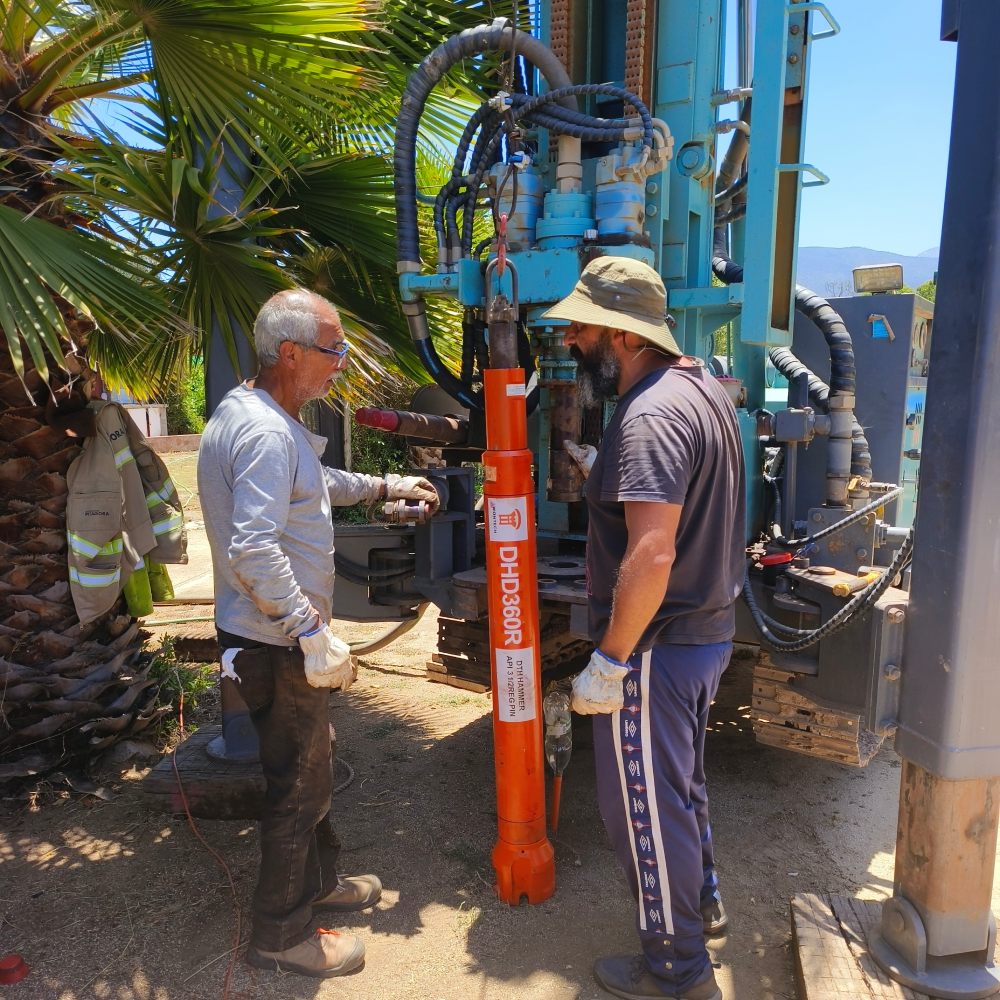
The construction and mining industries rely heavily on efficient drilling operations, making the selection of proper equipment crucial for project success. DTH drilling has emerged as one of the most effective methods for penetrating hard rock formations and challenging geological conditions. This advanced drilling technique combines power transmission efficiency with precise control, enabling operators to achieve superior results across various applications. Understanding the essential tools required for optimal dth drilling performance can significantly impact productivity, cost-effectiveness, and overall project outcomes. Modern drilling operations demand sophisticated equipment that can withstand extreme conditions while maintaining consistent performance standards.
Understanding DTH Drilling Technology
Fundamental Principles of Down-The-Hole Drilling
Down-the-hole drilling represents a significant advancement in percussion drilling technology, where the hammer mechanism operates directly at the drill bit location. This configuration eliminates energy loss that typically occurs in conventional drilling methods, where percussion force must travel through drill rods. The dth drilling system utilizes compressed air to power a pneumatic hammer positioned behind the drill bit, creating consistent impact energy regardless of hole depth. This direct energy transfer results in faster penetration rates and improved drilling efficiency across various rock types.
The pneumatic hammer in dth drilling systems operates through a carefully engineered cycle of compression and expansion phases. Compressed air flows through the drill string, activating the hammer mechanism while simultaneously clearing drill cuttings from the borehole. This dual functionality ensures continuous drilling progress while maintaining optimal hole cleaning conditions. The system's design allows for precise control of impact energy, enabling operators to adjust drilling parameters based on specific geological conditions and project requirements.
Advantages Over Traditional Drilling Methods
DTH drilling technology offers numerous advantages compared to conventional rotary or top-hammer drilling methods. The consistent energy delivery system maintains drilling efficiency regardless of hole depth, addressing one of the primary limitations of surface-mounted percussion systems. Additionally, dth drilling produces straighter holes with improved dimensional accuracy, critical for applications requiring precise bore positioning. The reduced deviation characteristics of this drilling method make it particularly valuable for deep foundation work, geothermal installations, and mineral exploration projects.
Another significant benefit of dth drilling involves the reduced wear on drill rods and associated equipment components. Since percussion forces are generated at the bit location rather than transmitted through the entire drill string, mechanical stress on rod connections and threading decreases substantially. This reduction in equipment wear translates to lower maintenance costs and extended tool life, improving overall operational economics for drilling contractors and project owners.
Essential DTH Hammer Systems
Pneumatic Hammer Design Features
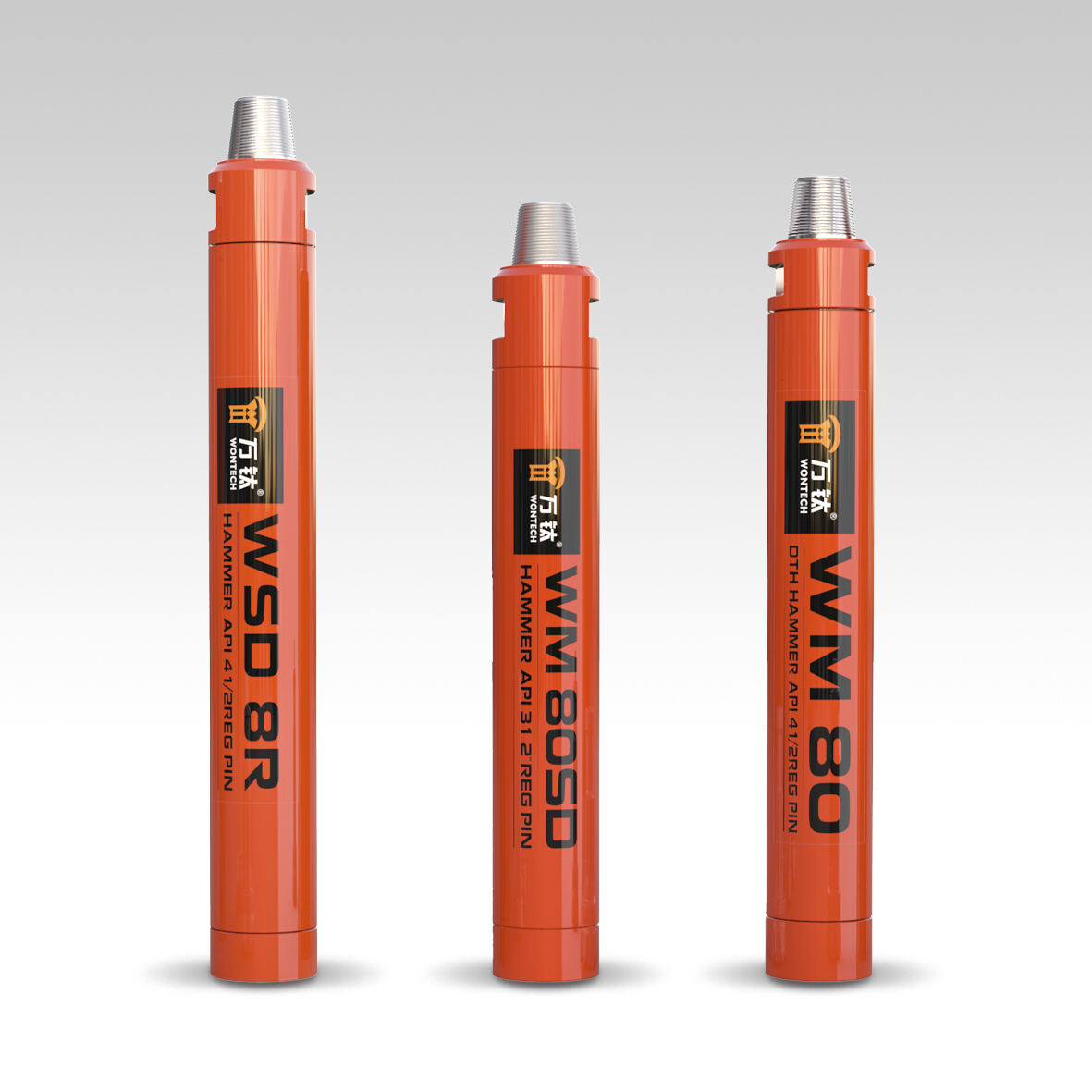
The pneumatic hammer represents the heart of any dth drilling system, requiring careful selection based on hole diameter, rock conditions, and drilling depth requirements. Modern DTH hammers incorporate advanced materials and precision manufacturing techniques to deliver consistent performance under extreme operating conditions. These hammers feature optimized air flow paths that maximize energy transfer while minimizing air consumption, resulting in improved fuel efficiency and reduced operating costs. The internal components undergo specialized heat treatment processes to withstand the repetitive impact forces generated during drilling operations.
Contemporary DTH hammer designs include sophisticated valve systems that regulate air flow timing and pressure distribution throughout the operating cycle. These precision-engineered valves ensure optimal energy delivery while protecting internal components from premature wear. The hammer housing construction utilizes high-strength steel alloys capable of withstanding both mechanical stress and thermal cycling associated with continuous dth drilling operations. Advanced sealing systems prevent contamination while maintaining consistent internal pressure levels throughout extended drilling campaigns.
Hammer Size Selection Criteria
Selecting the appropriate hammer size for dth drilling applications requires careful consideration of multiple factors, including target hole diameter, formation hardness, and required penetration rates. Smaller diameter hammers excel in applications requiring precise hole placement and reduced air consumption, making them ideal for shallow drilling projects or operations with limited compressor capacity. Larger diameter systems provide increased impact energy and faster penetration rates, particularly beneficial for deep drilling applications or extremely hard rock formations.
The relationship between hammer size and drill bit diameter must be carefully balanced to achieve optimal drilling performance. Oversized hammers may cause excessive bit wear or hole deviation, while undersized units may fail to provide sufficient energy for effective rock breakage. Professional dth drilling operators typically maintain hammer inventories spanning multiple size ranges to accommodate varying project requirements and geological conditions encountered during field operations.
Drill Bit Technology and Selection
Carbide Button Bit Construction
Carbide button bits represent the cutting edge technology in dth drilling applications, featuring tungsten carbide inserts strategically positioned to optimize rock cutting efficiency. The button configuration varies based on intended application, with designs ranging from aggressive cutting patterns for soft formations to conservative layouts for abrasive conditions. Modern carbide button bits incorporate advanced metallurgy techniques that enhance carbide-to-steel bonding strength, reducing button loss and extending bit service life. The bit body construction utilizes high-grade steel alloys specifically selected for impact resistance and dimensional stability under extreme drilling conditions.
The geometric arrangement of carbide buttons on dth drilling bits follows carefully engineered patterns designed to maximize cutting efficiency while ensuring uniform wear distribution. Face buttons handle the primary cutting action, while gauge buttons maintain hole diameter and provide side protection for the bit body. Advanced button shapes, including ballistic and conical designs, offer improved penetration characteristics and enhanced self-sharpening properties. The flushing system design ensures adequate cuttings removal while protecting exposed carbide surfaces from excessive heat buildup during drilling operations.
Specialized Bit Designs for Different Applications
DTH drilling applications span a wide range of geological conditions and project requirements, necessitating specialized bit designs optimized for specific operational parameters. Soft formation bits feature aggressive cutting structures with widely spaced buttons designed to maximize penetration rates in unconsolidated materials. Hard rock bits incorporate closely spaced button patterns with enhanced carbide grades to withstand extreme impact forces while maintaining cutting efficiency. The bit selection process must consider formation characteristics, drilling fluid properties, and desired hole quality specifications.
Specialized applications such as geothermal drilling or water well construction may require custom bit designs incorporating unique features like enlarged flushing passages or corrosion-resistant coatings. These specialized dth drilling bits often incorporate multiple carbide grades within a single cutting structure, optimizing performance across varying formation properties encountered during drilling operations. The manufacturing precision required for these specialized applications demands advanced quality control procedures and extensive field testing to validate performance characteristics.
Air Compressor Requirements
Compressor Capacity Calculations
Determining appropriate air compressor capacity for dth drilling operations requires comprehensive analysis of system air consumption requirements, including hammer operating pressure, bit flushing needs, and ancillary equipment demands. The pneumatic hammer represents the primary air consumer in the system, with consumption rates varying based on hammer size, operating pressure, and drilling conditions. Adequate flushing air flow ensures effective cuttings removal and prevents bit clogging, particularly critical in fine-grained formations or high moisture environments.
Professional dth drilling operations typically specify compressor capacity with substantial reserve margins to accommodate varying operational demands and system pressure losses. Factors such as altitude, ambient temperature, and drill string length significantly impact actual air delivery requirements, necessitating careful consideration during equipment selection. Modern variable displacement compressors offer improved fuel efficiency and operational flexibility, automatically adjusting output based on system demand while maintaining optimal operating pressure levels.
Pressure and Volume Requirements
The relationship between air pressure and volume delivery directly impacts dth drilling performance, with insufficient pressure resulting in reduced penetration rates and poor hole cleaning. Standard DTH hammer systems operate within specific pressure ranges optimized for maximum energy transfer efficiency, typically ranging from 150 to 350 PSI depending on hammer design and application requirements. Higher operating pressures generally produce increased impact energy but may accelerate component wear and increase fuel consumption rates.
Volume requirements for dth drilling systems encompass both hammer operation and adequate flushing flow to maintain hole cleaning effectiveness. The minimum volume threshold must ensure continuous hammer operation without pressure starvation, while maximum volumes should not exceed system design limits. Proper sizing of air delivery systems requires detailed analysis of all system components, including drill string volume, hammer consumption rates, and auxiliary equipment demands to ensure optimal drilling performance throughout the operational range.
Drill Rod and Coupling Systems
High-Strength Steel Rod Construction
DTH drilling operations demand drill rods engineered to withstand both torsional and tensile stresses associated with deep hole drilling applications. Modern drill rod construction utilizes high-strength steel alloys specifically formulated to provide optimal strength-to-weight ratios while maintaining resistance to fatigue failure. The internal bore diameter must accommodate adequate air flow for hammer operation and cuttings transport, while external dimensions provide necessary structural integrity for torque transmission and rod handling operations.
Manufacturing precision plays a critical role in drill rod performance, with dimensional tolerances directly impacting connection integrity and operational safety. Heat treatment processes optimize material properties throughout the rod cross-section, ensuring uniform strength characteristics and resistance to stress concentration effects. Quality control procedures include comprehensive inspection protocols covering dimensional accuracy, material properties, and surface finish requirements to guarantee consistent performance standards across dth drilling applications.
Threading and Connection Integrity
The threaded connections between drill rod sections represent critical stress concentration points requiring precision manufacturing and proper maintenance procedures. DTH drilling applications utilize various threading standards, including API specifications and proprietary designs optimized for specific operational requirements. Thread compound application and proper makeup torque procedures ensure reliable connections capable of withstanding the dynamic loads associated with percussion drilling operations.
Connection failure modes in dth drilling operations typically involve fatigue crack initiation at thread root locations or excessive wear at bearing surfaces. Preventive maintenance protocols include regular thread inspection procedures, proper lubrication practices, and systematic rotation of drill rod inventory to ensure uniform wear distribution. Advanced connection designs incorporate stress-reducing features such as modified thread profiles and enhanced bearing surface geometries to extend service life under demanding drilling conditions.
Drilling Fluid and Cuttings Management
Air Flow Optimization Techniques
Effective cuttings management in dth drilling operations depends on optimized air flow patterns that efficiently transport rock debris from the cutting interface to the surface. The air velocity calculations must consider particle size distribution, formation moisture content, and hole geometry to ensure adequate lifting capacity throughout the drilling process. Insufficient air flow results in cuttings accumulation that can cause bit loading, reduced penetration rates, and potential equipment damage.
Advanced dth drilling systems incorporate sophisticated air flow control mechanisms that automatically adjust delivery parameters based on drilling conditions and formation characteristics. These systems monitor pressure differentials, penetration rates, and return air quality to optimize flushing effectiveness while minimizing energy consumption. The integration of real-time monitoring systems enables operators to make immediate adjustments to air flow parameters, ensuring continuous drilling progress and preventing operational difficulties associated with inadequate hole cleaning.
Dust Suppression and Environmental Compliance
Environmental regulations increasingly require comprehensive dust suppression measures for dth drilling operations, particularly in urban environments or sensitive ecological areas. Water injection systems provide effective dust control by introducing controlled moisture levels into the air stream, binding dust particles and facilitating their capture at the surface. The water injection rate must be carefully controlled to provide adequate dust suppression without creating excessive mud conditions that could impede drilling progress.
Modern dust collection systems utilize advanced filtration technologies to capture airborne particles before they can disperse into the surrounding environment. These systems incorporate multi-stage filtration processes, including cyclone separators and high-efficiency particulate filters, to achieve compliance with stringent air quality standards. The integration of automated control systems ensures consistent dust suppression performance while minimizing water consumption and operational complexity associated with manual control procedures.
Safety Equipment and Monitoring Systems
Personal Protective Equipment Standards
DTH drilling operations present numerous safety hazards requiring comprehensive personal protective equipment protocols and strict adherence to established safety procedures. Hearing protection represents a critical requirement due to the high noise levels generated by pneumatic hammers and air compressor systems during drilling operations. Eye protection must provide adequate coverage against airborne particles and drilling fluid splashes while maintaining clear visibility for operational tasks.
Respiratory protection requirements for dth drilling personnel vary based on formation characteristics, dust generation rates, and environmental conditions. Silica exposure represents a particular concern when drilling in quartz-bearing formations, necessitating appropriate respiratory protection and medical surveillance programs. Hard hat specifications must provide protection against falling objects and impact hazards while accommodating communication equipment and other necessary accessories required for safe drilling operations.
Real-Time Monitoring Technologies
Advanced monitoring systems provide continuous oversight of critical dth drilling parameters, enabling operators to optimize performance while maintaining safe operating conditions. These systems track parameters including penetration rates, air pressure levels, hammer performance indicators, and equipment operating temperatures to provide comprehensive operational awareness. Data logging capabilities enable detailed analysis of drilling performance trends and facilitate predictive maintenance scheduling to prevent equipment failures.
Integration of wireless communication technologies allows real-time data transmission to remote monitoring centers, enabling expert technical support and performance optimization guidance throughout drilling operations. Automated alarm systems provide immediate notification of abnormal operating conditions, allowing rapid response to prevent equipment damage or safety incidents. The combination of real-time monitoring and automated control systems represents the future direction of dth drilling technology, promising improved efficiency and enhanced operational safety.
Maintenance and Operational Best Practices
Preventive Maintenance Scheduling
Effective maintenance programs for dth drilling equipment require systematic scheduling based on operating hours, drilling conditions, and manufacturer recommendations. Regular hammer inspections should include internal component assessment, valve system evaluation, and seal condition verification to prevent unexpected failures during drilling operations. Drill bit maintenance involves carbide button inspection, gauge wear measurement, and flushing system evaluation to ensure continued cutting efficiency and proper hole cleaning performance.
Compressor maintenance protocols encompass comprehensive inspection of all rotating components, lubrication system verification, and cooling system performance evaluation. Air filtration system maintenance requires regular filter replacement and moisture separator servicing to prevent contamination of downstream components. Documentation of all maintenance activities provides valuable performance data for optimizing service intervals and identifying recurring maintenance issues that may indicate design improvements or operational modifications.
Performance Optimization Strategies
Maximizing dth drilling efficiency requires continuous evaluation of operational parameters and systematic implementation of performance optimization strategies. Drilling parameter optimization includes adjustment of weight on bit, rotary speed, and air flow rates based on formation characteristics and real-time performance feedback. Regular analysis of penetration rates, bit wear patterns, and equipment performance data enables identification of improvement opportunities and optimization of drilling procedures.
Operator training programs play a crucial role in achieving optimal dth drilling performance, ensuring personnel understand equipment capabilities and operational limitations. Advanced training topics include troubleshooting procedures, parameter optimization techniques, and safety protocol implementation. The combination of experienced operators, well-maintained equipment, and optimized drilling procedures represents the foundation of successful drilling operations across all geological conditions and project requirements.
FAQ
What factors determine the appropriate DTH hammer size for a specific drilling project
The selection of appropriate DTH hammer size depends on several critical factors including target hole diameter, formation hardness, drilling depth requirements, and available compressor capacity. Hole diameter specifications typically dictate the minimum hammer size required, while formation characteristics influence the energy requirements needed for effective rock breakage. Deeper drilling projects may require larger hammers to maintain adequate energy delivery at the bit, while air compressor capacity limitations may restrict maximum hammer size options. Professional evaluation of these factors ensures optimal hammer selection for specific dth drilling applications.
How does air compressor capacity affect DTH drilling performance
Air compressor capacity directly impacts dth drilling performance through its influence on hammer operating efficiency and hole cleaning effectiveness. Insufficient air flow results in reduced hammer impact energy and poor cuttings removal, leading to slower penetration rates and potential equipment problems. Adequate compressor capacity ensures consistent hammer operation while providing sufficient air velocity for effective debris transport to the surface. The relationship between compressor capacity and drilling performance requires careful balance to optimize operational efficiency while minimizing fuel consumption and equipment wear.
What maintenance procedures are essential for extending DTH equipment service life
Essential maintenance procedures for dth drilling equipment include regular hammer inspection and component replacement, systematic drill bit evaluation and reconditioning, and comprehensive air compressor servicing. Internal hammer components require periodic inspection for wear and damage, with particular attention to valve systems and sealing elements that directly impact operational efficiency. Drill rod threading inspection and proper lubrication prevent connection failures and extend rod service life. Air system maintenance includes filter replacement, moisture separation, and lubrication system verification to prevent contamination and ensure reliable equipment operation.
How do geological conditions influence DTH drilling tool selection
Geological conditions significantly influence tool selection for dth drilling operations, with formation hardness, abrasiveness, and structural characteristics determining optimal equipment specifications. Soft formations require aggressive bit designs with widely spaced cutting elements, while hard rock conditions demand conservative button patterns with premium carbide grades. Abrasive formations necessitate enhanced wear protection and frequent bit replacement, while fractured formations may require specialized techniques to prevent equipment loss. Understanding geological conditions enables proper tool selection and optimization of drilling parameters for maximum efficiency and equipment longevity.
Table of Contents
- Understanding DTH Drilling Technology
- Essential DTH Hammer Systems
- Drill Bit Technology and Selection
- Air Compressor Requirements
- Drill Rod and Coupling Systems
- Drilling Fluid and Cuttings Management
- Safety Equipment and Monitoring Systems
- Maintenance and Operational Best Practices
-
FAQ
- What factors determine the appropriate DTH hammer size for a specific drilling project
- How does air compressor capacity affect DTH drilling performance
- What maintenance procedures are essential for extending DTH equipment service life
- How do geological conditions influence DTH drilling tool selection