
 EN
EN
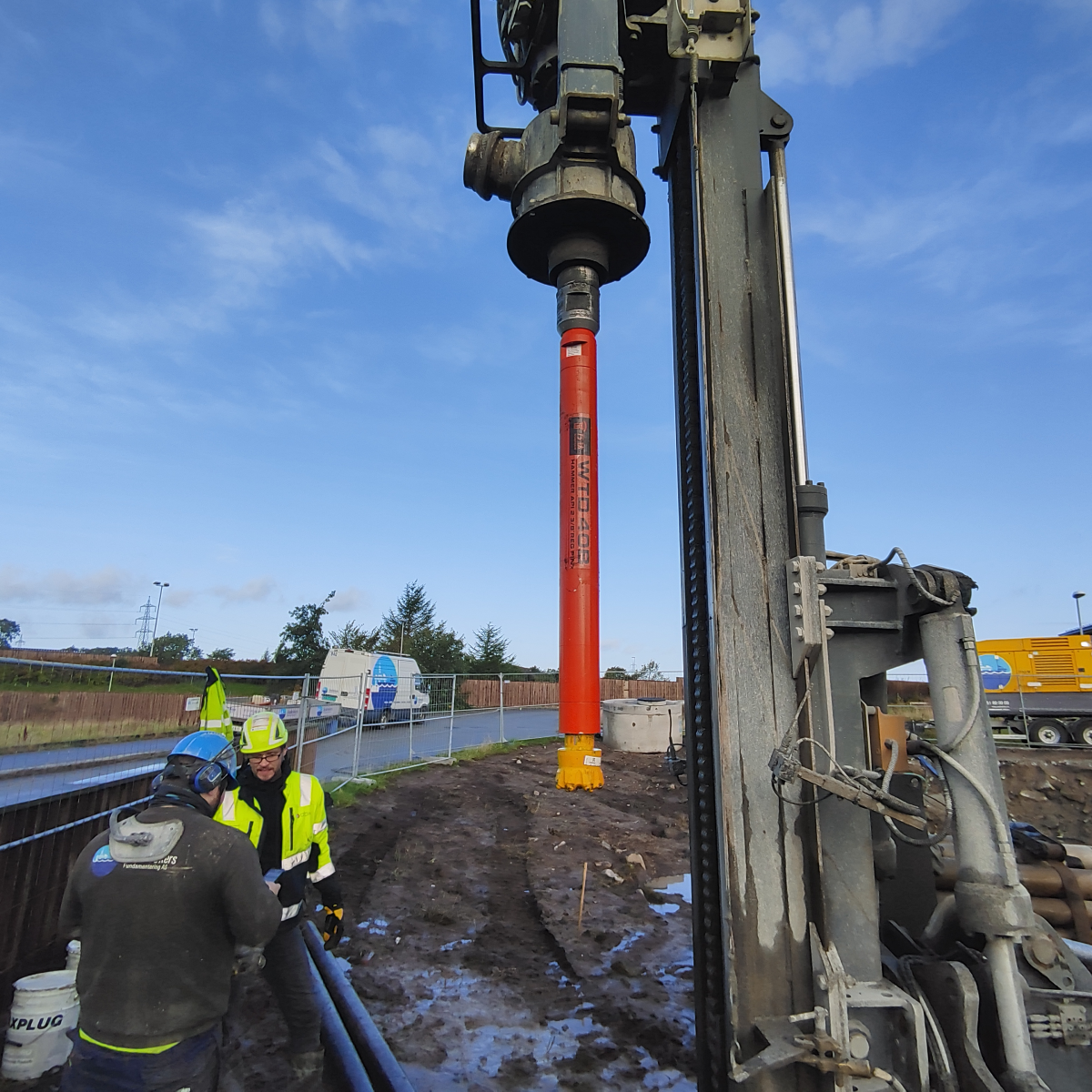
Safety considerations in dth drilling operations are paramount for ensuring worker protection and project success. Down-the-hole drilling involves complex machinery, high-pressure systems, and challenging work environments that demand strict adherence to safety protocols. Professional drilling contractors understand that implementing comprehensive safety measures not only protects personnel but also minimizes equipment damage and operational downtime. The nature of dth drilling requires operators to work with powerful hydraulic systems, rotating machinery, and heavy equipment in various terrain conditions.
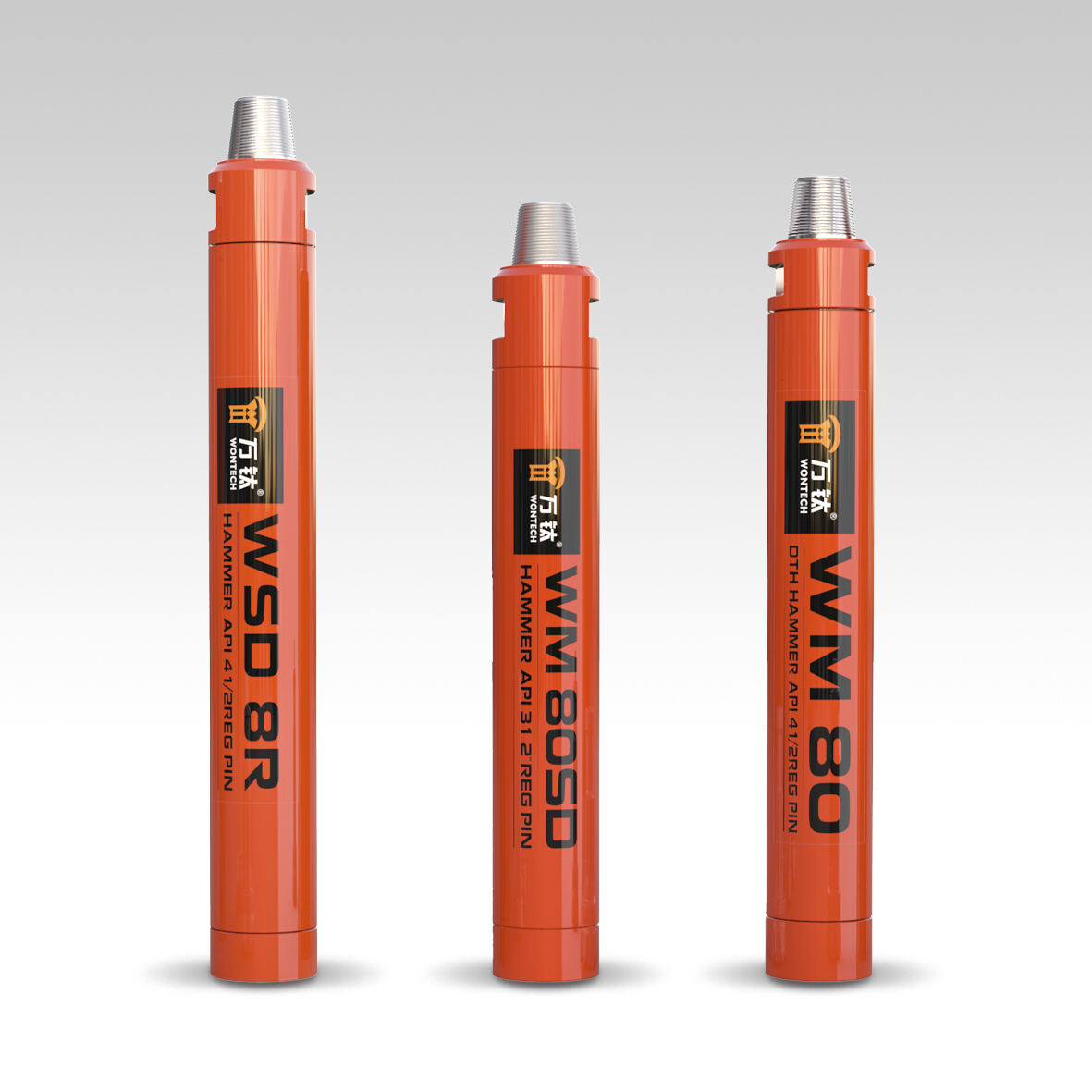
Essential Safety Equipment and Personal Protective Equipment
Primary Safety Gear Requirements
Personal protective equipment forms the foundation of safe dth drilling operations. Hard hats with chin straps are mandatory to protect against falling debris and impacts from overhead hazards. Safety glasses or face shields provide essential eye protection from flying particles, hydraulic fluid splashes, and dust generated during drilling activities. High-visibility clothing ensures operators remain visible to equipment operators and other personnel working in the vicinity of drilling operations.
Steel-toed boots with slip-resistant soles are critical for foot protection and maintaining stability on uneven surfaces common in drilling sites. Hearing protection becomes essential when working near operating drilling equipment, as dth drilling operations generate significant noise levels that can cause permanent hearing damage. Cut-resistant gloves protect hands during equipment maintenance and handling of drill components while maintaining necessary dexterity for precise operations.
Respiratory Protection Considerations
Dust control and respiratory protection require careful attention during dth drilling projects. Drilling operations generate substantial amounts of airborne particles that can pose serious health risks to workers. Appropriate dust masks or respirators must be selected based on the specific geological conditions and potential contaminants present at the drilling site. Silica exposure represents a particular concern in many drilling environments, requiring specialized respiratory protection equipment.
Regular fit testing and maintenance of respiratory equipment ensures optimal protection levels throughout drilling operations. Workers must receive proper training on the correct usage, storage, and limitations of their assigned respiratory protection equipment. Emergency breathing apparatus should be readily available in case of equipment failure or unexpected exposure to hazardous substances during drilling activities.
Equipment Inspection and Maintenance Protocols
Pre-Operation Safety Checks
Thorough equipment inspection before beginning dth drilling operations prevents many potential safety incidents. Hydraulic systems require careful examination for leaks, proper pressure levels, and component integrity. Hose connections, fittings, and seals must be inspected for signs of wear or damage that could result in sudden failure during operation. The drilling mast and support structures need verification of proper assembly, bolt torque specifications, and overall structural integrity.
Drill bits and hammers undergo inspection for wear patterns, damage, or improper installation that could affect drilling performance or create safety hazards. Air compressor systems require verification of proper operation, safety valve function, and adequate filtration to prevent contamination of the drilling system. Documentation of all pre-operation inspections creates accountability and helps identify recurring issues that may require additional attention.
Routine Maintenance Safety Procedures
Scheduled maintenance activities for dth drilling equipment must follow established safety protocols to protect maintenance personnel. Proper lockout-tagout procedures ensure equipment cannot be accidentally energized during maintenance work. Hydraulic systems require complete depressurization and verification before any components are disconnected or serviced. Maintenance work on elevated components necessitates proper fall protection equipment and procedures.
Cleaning and lubrication activities must use appropriate safety measures to prevent chemical exposure and slip hazards. Maintenance personnel require training on the specific hazards associated with drilling equipment and proper procedures for safe servicing. Emergency procedures and first aid supplies must be readily accessible during all maintenance activities to respond quickly to any incidents that may occur.
Site Safety Management and Hazard Assessment
Work Zone Establishment and Control
Establishing secure work zones around dth drilling operations protects both workers and the general public from potential hazards. Proper barricading and signage clearly delineate danger areas and restrict unauthorized access to drilling sites. The work zone must encompass areas where falling objects, equipment movement, or other drilling-related hazards could pose risks to personnel. Traffic control measures become essential when drilling operations occur near roadways or in areas with vehicular activity.
Ground conditions require continuous monitoring throughout drilling operations to identify potential instability or cave-in risks. Overhead hazards such as power lines, structures, or vegetation must be identified and appropriate clearances maintained during all phases of the drilling project. Communication systems within the work zone ensure all personnel can quickly relay safety concerns or emergency information to supervisors and other team members.
Environmental Hazard Recognition
Weather conditions significantly impact the safety of dth drilling operations and require continuous monitoring throughout project duration. High winds can affect drilling mast stability and create hazardous conditions for personnel working at elevation. Lightning poses severe risks to drilling operations due to the metallic equipment and elevated structures involved in the process. Extreme temperatures affect equipment performance and worker safety, requiring appropriate measures to prevent heat-related illness or hypothermia.
Underground utilities present serious hazards that must be identified and marked before beginning any dth drilling activities. Proper utility location services help prevent dangerous strikes on electrical, gas, or communication lines. Ground water conditions and potential contamination sources require assessment to protect workers and prevent environmental damage during drilling operations.
Emergency Response and First Aid Preparedness
Emergency Action Plan Development
Comprehensive emergency action plans address the specific risks associated with dth drilling operations and provide clear procedures for various emergency scenarios. Fire suppression capabilities must be readily available, considering the presence of hydraulic fluids, fuel, and electrical systems common in drilling operations. Medical emergency procedures include immediate response protocols, communication with emergency services, and evacuation procedures when necessary. Equipment failure scenarios require specific response procedures to safely shut down operations and prevent secondary accidents.
Communication systems for emergency situations must remain functional even during equipment failures or power outages. Emergency contact information for medical services, fire departments, and other relevant authorities should be prominently posted and easily accessible to all personnel. Regular emergency drills help ensure all team members understand their roles and responsibilities during actual emergency situations encountered during dth drilling projects.
First Aid and Medical Preparedness
First aid supplies and equipment must be appropriate for the specific hazards present in dth drilling operations. Trauma supplies address potential injuries from heavy equipment, hydraulic system failures, or falling objects. Eye wash stations and emergency showers provide immediate treatment for chemical exposures or foreign objects in eyes. Burns from hot equipment surfaces or hydraulic fluid injection injuries require specialized first aid supplies and immediate treatment protocols.
Trained first aid personnel should be present during all drilling operations, with additional medical support arrangements for remote locations. Communication systems must enable rapid contact with emergency medical services when injuries exceed on-site treatment capabilities. Medical emergency transportation plans account for site accessibility and the time required to reach advanced medical facilities from remote drilling locations.
Training and Competency Requirements
Operator Certification and Skills Development
Proper training programs ensure dth drilling operators possess the knowledge and skills necessary to work safely with complex drilling equipment. Certification requirements verify operators understand equipment operation, safety procedures, and emergency response protocols. Hands-on training under supervision allows new operators to develop practical skills while maintaining safe working conditions. Regular refresher training keeps experienced operators current with evolving safety standards and equipment technologies.
Training documentation provides verification of competency levels and helps identify areas where additional instruction may be needed. Specialized training for different types of dth drilling equipment ensures operators understand the unique characteristics and safety considerations of specific systems. Cross-training programs develop versatile personnel capable of safely operating various types of drilling equipment and responding to different operational scenarios.
Safety Culture Development and Maintenance
Building a strong safety culture within dth drilling operations requires consistent leadership commitment and employee engagement at all levels. Regular safety meetings provide forums for discussing hazards, sharing lessons learned, and reinforcing the importance of safe work practices. Recognition programs acknowledge workers who demonstrate exceptional safety performance and encourage continued commitment to safe operations. Open reporting systems allow personnel to identify potential hazards without fear of retaliation, promoting proactive hazard identification and elimination.
Safety performance metrics track leading indicators such as near-miss reports, training completion rates, and safety inspection findings rather than relying solely on injury statistics. Continuous improvement processes analyze incidents and implement corrective measures to prevent similar occurrences in future drilling projects. Management visibility and participation in safety activities demonstrate organizational commitment and reinforce the priority placed on worker protection during all phases of dth drilling operations.
FAQ
What are the most common safety hazards in dth drilling operations
The most significant safety hazards in dth drilling operations include struck-by incidents from falling objects or moving equipment, hydraulic system failures resulting in high-pressure fluid injection injuries, respiratory exposure to silica dust and other airborne contaminants, and noise-induced hearing loss from prolonged exposure to drilling equipment operation. Additional hazards include electrical risks from power systems, burns from hot equipment surfaces, and musculoskeletal injuries from heavy lifting and repetitive motions. Environmental hazards such as unstable ground conditions, overhead power lines, and extreme weather conditions also pose significant risks to drilling personnel.
How often should dth drilling equipment undergo safety inspections
Daily pre-operation inspections are mandatory for all dth drilling equipment before beginning work activities. Weekly comprehensive inspections should examine hydraulic systems, structural components, and safety devices more thoroughly. Monthly inspections by qualified technicians should include detailed examination of critical components such as drill bits, hammers, and pressure relief systems. Annual certifications by authorized inspectors ensure compliance with manufacturer specifications and regulatory requirements. Additionally, any equipment involved in incidents or showing signs of unusual wear should undergo immediate inspection regardless of the normal schedule.
What training is required for dth drilling operators
Dth drilling operators must complete comprehensive training programs covering equipment operation, safety procedures, hazard recognition, and emergency response protocols. Initial certification typically requires 40-80 hours of classroom instruction followed by supervised hands-on training. Operators need annual refresher training to maintain certification and stay current with evolving safety standards. Additional specialized training may be required for specific equipment types, hazardous location operations, or complex drilling applications. First aid and CPR certification is often mandatory for drilling personnel, especially those working in remote locations where immediate medical assistance may not be readily available.
What emergency equipment should be available at dth drilling sites
Essential emergency equipment at dth drilling sites includes comprehensive first aid supplies, eye wash stations, fire extinguishers appropriate for hydraulic fluid and electrical fires, and emergency communication devices such as two-way radios or satellite phones. Spill containment materials help address hydraulic fluid leaks or fuel spills that could create environmental hazards. Emergency shutdown devices should be easily accessible to quickly de-energize equipment in hazardous situations. Rescue equipment such as rope, pulleys, and confined space rescue gear may be necessary depending on the specific drilling application and site conditions. Emergency lighting ensures safe evacuation and response activities can continue even during power failures or in low-light conditions.