
 EN
EN
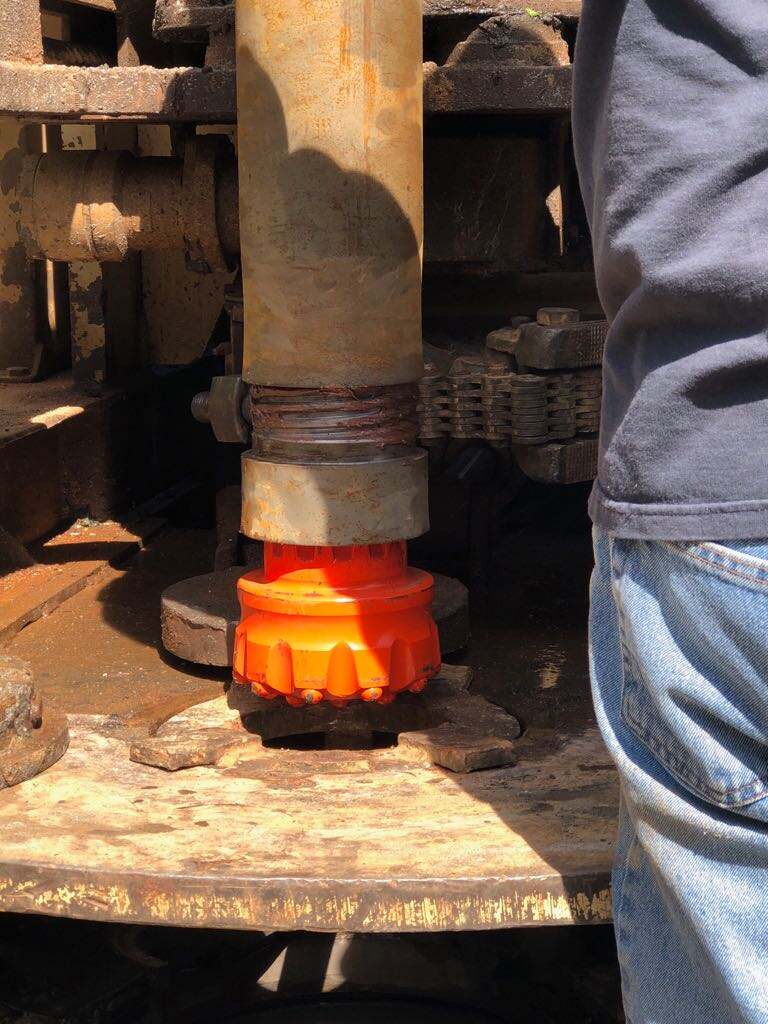
Wiercenie od spodu otworu zrewolucjonizowało branże budowlaną i górniczą, oferując wydajne, precyzyjne i opłacalne rozwiązania w zakresie wierceń. Zrozumienie aspektów finansowych projektów wiercenia DTH wymaga starannego przeanalizowania kosztów początkowych, wydatków operacyjnych oraz długoterminowego zwrotu z inwestycji. Ten kompleksowy przewodnik analizuje kluczowe czynniki wpływające na koszty wiercenia DTH oraz dostarcza praktycznych wskazówek dotyczących maksymalizacji zwrotu z inwestycji w wiercenia.
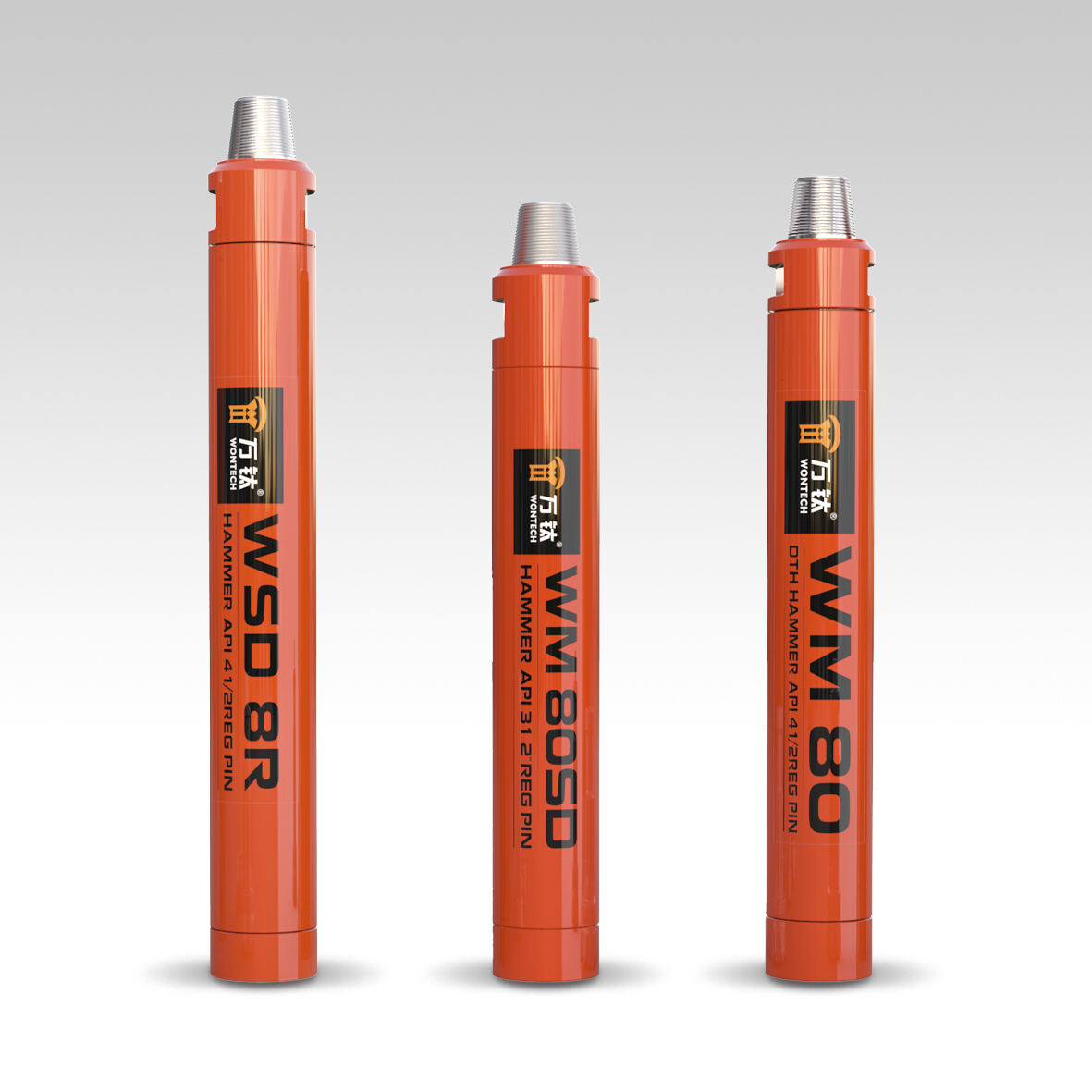
Ekonomika operacji wiercenia DTH zależy w dużej mierze od doboru sprzętu, zakresu projektu oraz efektywności operacyjnej. Nowoczesne systemy wiercenia DTH oferują lepsze wskaźniki penetracji i niższe koszty operacyjne w porównaniu z konwencjonalnymi metodami wiercenia. Fachowcy z branży systematycznie zgłaszają poprawę produktywności oraz obniżenie kosztów wiercenia na stopę, gdy stosują zaawansowane technologie wiercenia DTH w swoich projektach.
Analiza inwestycji w sprzęt
Początkowe wymagania kapitałowe
Główne inwestycje w operacje wiercenia DTH skupiają się na wysokiej jakości sprzęcie wiertniczym i młotach. Systemy wiercenia DTH profesjonalnej klasy zazwyczaj wymagają umiarkowanych do znacznych nakładów kapitałowych, w zależności od specyfikacji i planowanego zastosowania. Firmy muszą ocenić swoje prognozy objętości wierceń oraz wymagania projektowe, aby określić optymalną konfigurację sprzętu dostosowaną do potrzeb operacyjnych.
Opcje finansowania sprzętu oraz umowy leasingowe mogą pomóc organizacjom w zarządzaniu początkowymi wydatkami kapitałowymi, zachowując jednocześnie elastyczność operacyjną. Wiele producentów oferuje kompleksowe pakiety obejmujące szkolenia, wsparcie serwisowe i części zamienne, które należy wziąć pod uwagę przy obliczaniu całkowitych kosztów posiadania. Wybór odpowiedniego sprzętu wiercącego DTH ma bezpośredni wpływ zarówno na bieżące koszty, jak i na długoterminową efektywność operacyjną.
Rozważania dotyczące modernizacji technologii
Nowoczesne technologie wiercenia DTH wykorzystują zaawansowane materiały, ulepszone konstrukcje oraz poprawione cechy wydajnościowe, które uzasadniają wyższe początkowe inwestycje dzięki zwiększonej produktywności i niższym kosztom konserwacji. Modernizacja na rzecz nowszych systemów wiercenia DTH często przekłada się na mierzalne poprawy szybkości wiercenia, dokładności oraz ogólnego czasu realizacji projektu.
Postęp technologiczny w sprzęcie do wiercenia DTH obejmuje lepszą efektywność przekazywania energii, ulepszone projekty głowic wiertniczych oraz zwiększoną trwałość. Te usprawnienia przekładają się na rzeczywiste oszczędności kosztów poprzez zmniejszone zużycie paliwa, wydłużenie żywotności sprzętu oraz minimalizację przestojów. Firmy powinny ocenić okres zwrotu z inwestycji w nowoczesne technologie, biorąc pod uwagę swoje konkretne wymagania operacyjne oraz objętość projektów.
Czynniki wpływające na koszty operacyjne
Koszty pracy i eksploatacyjne
Wykwalifikowani operatorzy są niezbędni do maksymalizacji efektywności i opłacalności operacji wiercenia DTH. Koszty pracy zazwyczaj stanowią znaczącą część całkowitych wydatków na wiercenie, dlatego szkolenie i utrzymywanie operatorów ma kluczowe znaczenie dla zachowania konkurencyjnych kosztów operacyjnych. Doświadczeni operatorzy wiercenia DTH mogą znacząco skrócić harmonogramy projektów i zminimalizować zużycie sprzętu dzięki odpowiedniej technice oraz praktykom konserwacji zapobiegawczej.
Wydatki operacyjne wykraczają poza bezpośrednie koszty pracy i obejmują zużycie paliwa, wymianę części eksploatacyjnych oraz regularne potrzeby konserwacyjne. Efektywne operacje wiercenia DTH wymagają ciągłego monitorowania tych zmiennych w celu utrzymania optymalnej wydajności kosztowej. Firmy, które wdrażają kompleksowe systemy śledzenia, często identyfikują możliwości redukcji kosztów poprzez ulepszone procedury operacyjne i strategie wykorzystania sprzętu.
Koszty konserwacji i wsparcia
Regularna konserwacja jest kluczowa dla utrzymania wydajności sprzętu wiercącego DTH i zapobiegania kosztownym awariom. Programy konserwacji preventywnej zazwyczaj są znacznie tańsze niż naprawy reaktywne i pomagają zapewnić stałą produktywność wierceń. Częstotliwość oraz zakres wymagań konserwacyjnych różnią się w zależności od warunków wiercenia, intensywności użytkowania sprzętu oraz czynników środowiskowych.
Kompleksowe programy konserwacji sprzętu do wiercenia DTH obejmują rutynowe inspekcje, wymianę komponentów oraz procedury optymalizacji wydajności. Firmy powinny zakładać budżet zarówno na zaplanowane działania serwisowe, jak i na nieoczekiwane naprawy. Dostęp do wykwalifikowanych techników serwisowych oraz oryginalnych części zamiennych bezpośrednio wpływa na koszty utrzymania i czas przestoju sprzętu.
Zmienne koszty projektowe
Czynniki geologiczne i środowiskowe
Warunki gruntowe znacząco wpływają na koszty wiercenia DTH poprzez ich oddziaływanie na szybkość wiercenia, zużycie sprzętu oraz zużycie materiałów eksploatacyjnych. Formacje skał twarde mogą wymagać specjalistycznych gatowników i dłuższego czasu wiercenia, podczas gdy miękkie materiały zazwyczaj pozwalają na wyższe prędkości penetracji i mniejsze obciążenie sprzętu. Zrozumienie warunków geologicznych jest niezbędne do dokładnego szacowania kosztów i planowania projektu.
Zagadnienia środowiskowe mogą dodatkowo komplikować i powiększać koszty wiercenie dth projektów poprzez konieczność stosowania środków ograniczania pyłu, redukcji hałasu oraz innych działań zapewniających zgodność z przepisami ochrony środowiska. Projekty realizowane na terenach wrażliwych mogą wymagać dodatkowego sprzętu, pozwoleń oraz procedur operacyjnych, które zwiększają ogólne koszty. Odpowiednie planowanie i przygotowanie pomagają zminimalizować te dodatkowe wydatki, jednocześnie gwarantując zgodność z przepisami.
Wymagania dotyczące głębokości i średnicy
Głębokość wiercenia jest bezpośrednio powiązana z czasem trwania i kosztem projektu, ponieważ głębsze otwory wymagają więcej czasu, energii oraz materiałów eksploatacyjnych. Zależność między głębokością a kosztem nie zawsze jest liniowa, ponieważ trudne formacje na większych głębokościach mogą wymagać zmniejszenia prędkości wiercenia i częstszej konserwacji sprzętu. Dokładne określenie wymaganej głębokości jest kluczowe dla precyzyjnej kalkulacji kosztów i harmonogramu projektu.
Wymagania dotyczące średnicy otworu wpływają na wybór sprzętu oraz koszty operacyjne w projektach wiercenia DTH. Otwory o większej średnicy zazwyczaj wymagają potężniejszego sprzętu, większego zużycia energii oraz specjalistycznego wyposażenia. Koszt przypadający na jeden metr liniowy często rośnie wraz ze średnicą, co czyni dokładne określenie średnicy kluczowym aspektem planowania budżetu i decyzji dotyczących doboru sprzętu.
Obliczenia stopy zwrotu z inwestycji
Metryki produktywności i wydajność
Pomiar produktywności wiercenia DTH wymaga śledzenia wielu wskaźników wydajności, w tym szybkości wiercenia, czasu pracy sprzętu oraz tempa realizacji projektów. Firmy systematycznie monitorujące te metryki często identyfikują możliwości poprawy działalności i redukcji kosztów. Dane porównawcze z podobnych projektów zapewniają cenny kontekst oceny wydajności wiercenia i wskazują obszary optymalizacji.
Poprawa produktywności w operacjach wiercenia DTH może wynikać z modernizacji sprzętu, szkoleń operatorów oraz inicjatyw optymalizacji procesów. Wpływ finansowy wzrostu produktywności wykracza poza bezpośrednie oszczędności kosztów i obejmuje lepsze planowanie projektów, zwiększone zadowolenie klientów oraz większe przewagi konkurencyjne. Regularna analiza wydajności pomaga firmom podejmować świadome decyzje dotyczące inwestycji w sprzęt i strategii operacyjnych.
Długoterminowe korzyści finansowe
Długoterminowe korzyści finansowe wynikające z inwestycji w wysokiej jakości sprzęt i operacje wiercenia DTH wykraczają daleko poza początkowe rozważania dotyczące kosztów. Firmy posiadające dobrze utrzymane i efektywne operacje wiertnicze często doświadczają obniżki kosztów na projekt, poprawy marży zysku oraz wzmocnienia konkurencyjności na rynku. Te korzyści nasilają się w czasie, co czyni pierwotne inwestycje w sprzęt coraz bardziej wartościowymi.
Reputacja na rynku i relacje z klientami stanowią istotne aktywa niematerialne, które są wynikiem konsekwentnie udanych projektów wiercenia DTH. Firmy znane z niezawodnych i opłacalnych usług wiertniczych często cieszą się możliwościami uzyskiwania wyższych cen oraz powtarzalności zleceń. Zbudowanie takiej reputacji wymaga stałego zaangażowania w jakość sprzętu, wykwalifikowanych operatorów oraz efektywne realizowanie projektów.
Strategie optymalizacji kosztów
Wykorzystanie i harmonogramowanie sprzętu
Maksymalizacja wykorzystania sprzętu jest kluczowa dla optymalizacji kosztów wiercenia DTH i osiągnięcia korzystnej stopy zwrotu z inwestycji w sprzęt. Skuteczne systemy planowania zapewniają, że sprzęt wiertniczy pozostaje produktywny przez cały rok, rozkładając koszty stałe na większą liczbę godzin fakturowanych. Firmy z zróżnicowanym portfelem projektów często osiągają lepsze wskaźniki wykorzystania niż te skupione na zastosowaniach sezonowych lub specjalistycznych.
Strategiczne planowanie projektów może pomóc w wyrównaniu rozkładu obciążenia i minimalizacji czasu bezczynności sprzętu w operacjach wiercenia DTH. Współpraca między działami sprzedaży, operacyjnym i konserwacją zapewnia optymalne wdrożenie i dostępność sprzętu. Zaawansowane systemy planowania pomagają identyfikować możliwości poprawy wykorzystania i redukcji kosztów dzięki lepszemu przydziałowi zasobów.
Programy Konserwacji Zaprochowawczej
Kompleksowe programy przeglądów zapobiegawczych znacząco redukują długoterminowe koszty wiercenia DTH poprzez zapobieganie poważnym awariom sprzętu i wydłużanie żywotności komponentów. Regularne harmonogramy przeglądów, oparte na liczbie godzin pracy, warunkach wiercenia oraz zaleceniach producenta, pomagają zoptymalizować wydajność sprzętu i minimalizować nieplanowane naprawy. Koszt przeglądów zapobiegawczych zazwyczaj stanowi niewielką część wydatków związanych z naprawami reaktywnymi.
Systemy dokumentacji i śledzenia wspierają skuteczne programy przeglądów zapobiegawczych, umożliwiając identyfikację wzorców zużycia sprzętu i degradacji wydajności. Dane te pomagają zoptymalizować interwały serwisowe i przewidywać potrzebę wymiany komponentów. Firmy posiadające solidne programy konserwacji często odnotowują poprawę niezawodności sprzętu, zmniejszenie czasu przestoju oraz niższe całkowite koszty operacyjne swoich działań w zakresie wiercenia DTH.
Trendy rynkowe i kwestie związane z przyszłością
Wpływ postępu technologicznego
Nowe technologie wpływają na koszty wiercenia DTH poprzez poprawę efektywności sprzętu, możliwości automatyzacji oraz optymalizację procesów operacyjnych. Zaawansowane systemy sterowania, monitorowanie w czasie rzeczywistym oraz technologie konserwacji predykcyjnej oferują znaczne możliwości redukcji kosztów i poprawy wydajności. Firmy, które bieżąco śledzą rozwój technologiczny, często zachowują przewagę konkurencyjną pod względem kosztów i wydajności.
Integracja technologii cyfrowych z tradycyjnym sprzętem do wiercenia DTH stwarza możliwości poprawy zarządzania projektami, śledzenia kosztów oraz optymalizacji wydajności. Możliwości zdalnego monitorowania pozwalają na lepsze wykorzystanie sprzętu oraz obniżenie kosztów serwisowania dzięki wcześniejszemu wykrywaniu problemów. Te postępy technologiczne zmieniają ekonomię operacji wiertniczych i otwierają nowe możliwości optymalizacji kosztów.
Standardy i przepisy branżowe
Ewolucja norm branżowych i przepisów środowiskowych nadal wpływa na koszty wiercenia DTH poprzez wymagania dotyczące zwiększenia bezpieczeństwa, kontroli emisji oraz procedur operacyjnych. Zgodność z tymi standardami często wymaga modyfikacji sprzętu lub zmian w działaniach operacyjnych, co wpływa na koszty projektu. Firmy, które proaktywnie realizują wymagania regulacyjne, zazwyczaj doświadczają mniejszej liczby zakłóceń i niższych kosztów zgodności.
Trend w kierunku bardziej rygorystycznych standardów środowiskowych i bezpieczeństwa w operacjach wiercenia DTH tworzy możliwości dla firm inwestujących w zgodny sprzęt i procedury. Wczesne wdrażanie najlepszych praktyk i zaawansowanego sprzętu często zapewnia przewagę konkurencyjną dzięki poprawionej efektywności i zmniejszonemu ryzyku regulacyjnemu. Zrozumienie kierunku rozwoju standardów branżowych pomaga firmom podejmować świadome decyzje inwestycyjne i utrzymywać zgodność operacyjną.
Często zadawane pytania
Jakie czynniki najbardziej wpływają na koszty projektów wiercenia DTH
Najważniejszymi czynnikami kosztów w projektach wiercenia DTH są warunki geologiczne, wymagane głębokość i średnica wiercenia, wybór i konserwacja sprzętu, poziom umiejętności operatorów oraz dostępność lokalizacji projektu. Twardość gruntu i cechy formacji bezpośrednio wpływają na szybkość wiercenia i zużycie narzędzi, podczas gdy wymagania dotyczące głębokości wpływają na czas trwania projektu i zużycie materiałów eksploatacyjnych. Jakość sprzętu i praktyki konserwacyjne znacząco wpływają na efektywność operacyjną i koszty długoterminowe.
Jak firmy mogą zoptymalizować zwrot z inwestycji w wierceniu DTH
Firmy mogą zoptymalizować rentowność inwestycji w wiercenie DTH poprzez strategiczne inwestycje w sprzęt, kompleksowe programy szkoleniowe dla operatorów, praktyki konserwacji zapobiegawczej oraz efektywne planowanie projektów. Maksymalizacja wykorzystania sprzętu w różnych projektach pomaga rozłożyć koszty stałe i poprawić rentowność. Regularne monitorowanie wydajności oraz analiza kosztów pozwalają identyfikować możliwości usprawnień operacyjnych i redukcji kosztów w działaniach wiertniczych.
Jakie są typowe okresy zwrotu z inwestycji w sprzęt do wiercenia DTH
Okresy zwrotu z inwestycji w sprzęt do wiercenia DTH zazwyczaj wahają się od jednego do trzech lat, w zależności od kosztów sprzętu, stopni wykorzystania i warunków rynkowych. Firmy o wysokim wykorzystaniu i efektywnych operacjach często osiągają krótsze okresy zwrotu dzięki zwiększonej produktywności i obniżonym kosztom operacyjnym. Takie czynniki jak jakość sprzętu, praktyki konserwacyjne oraz biegłość operatorów znacząco wpływają na rzeczywisty czas zwrotu z inwestycji w wiertnicze.
Jak porównują się koszty utrzymania pomiędzy różnymi systemami wiercenia DTH
Koszty utrzymania systemów wiercenia DTH różnią się znacząco w zależności od jakości sprzętu, warunków pracy oraz praktyk konserwacyjnych. Wysokiej klasy sprzęt zazwyczaj wymaga większych początkowych inwestycji, ale często zapewnia niższe długoterminowe koszty utrzymania dzięki lepszej trwałości i niezawodności. Przedsiębiorstwa powinny oceniać całkowity koszt posiadania, a nie tylko cenę zakupu, przy porównywaniu różnych systemów wiertniczych i wymogów konserwacji w celu osiągnięcia optymalnej wydajności kosztowej.