
 EN
EN
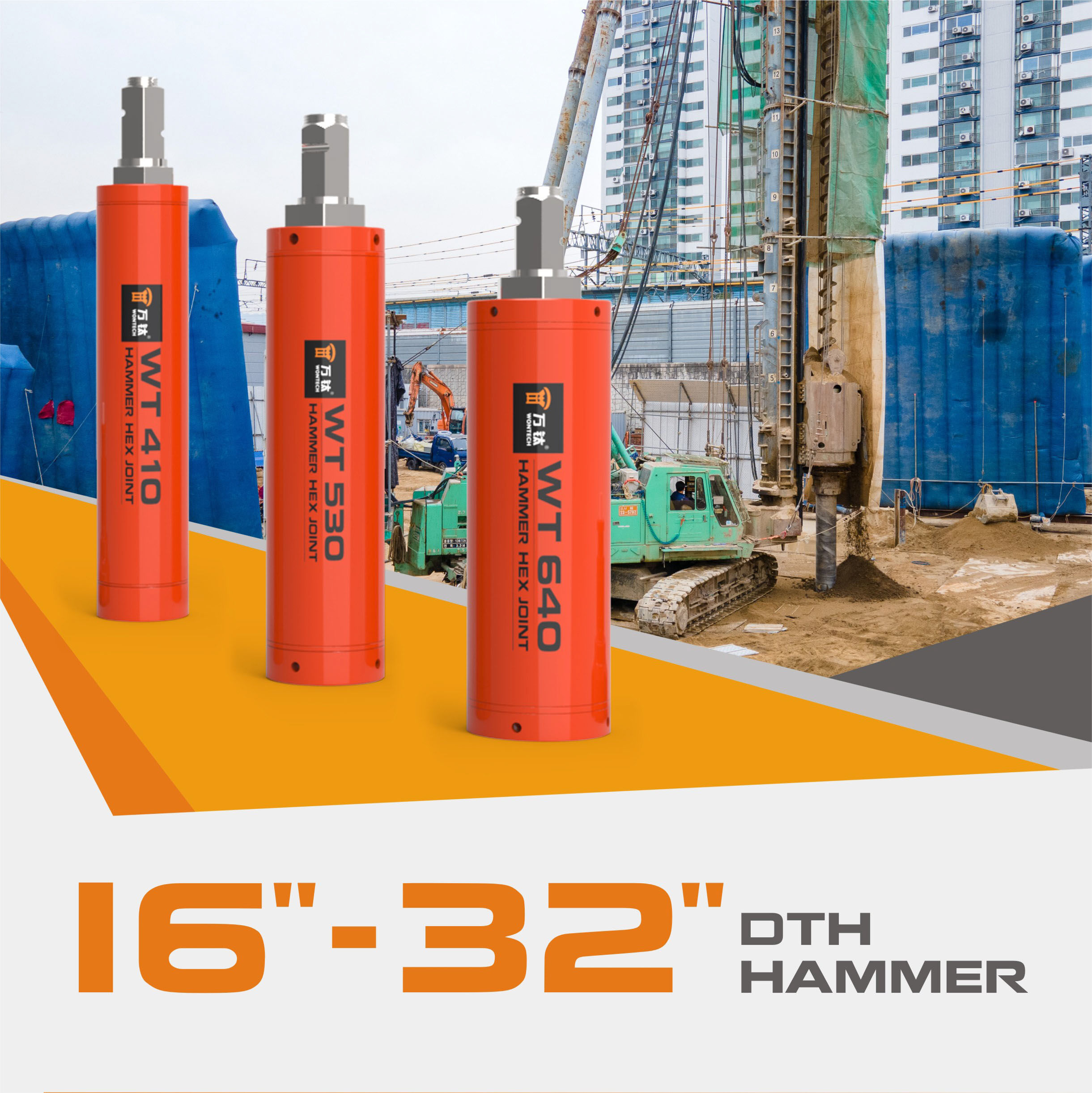
Down-the-hole drilling represents one of the most efficient and versatile methods in modern drilling operations, offering superior penetration rates and precision across diverse geological formations. This comprehensive guide explores the fundamental principles, advanced techniques, and practical applications of dth drilling technology as we advance into 2026. Understanding the mechanics and benefits of dth drilling enables contractors and engineers to make informed decisions about equipment selection, operational parameters, and project planning for optimal drilling performance.
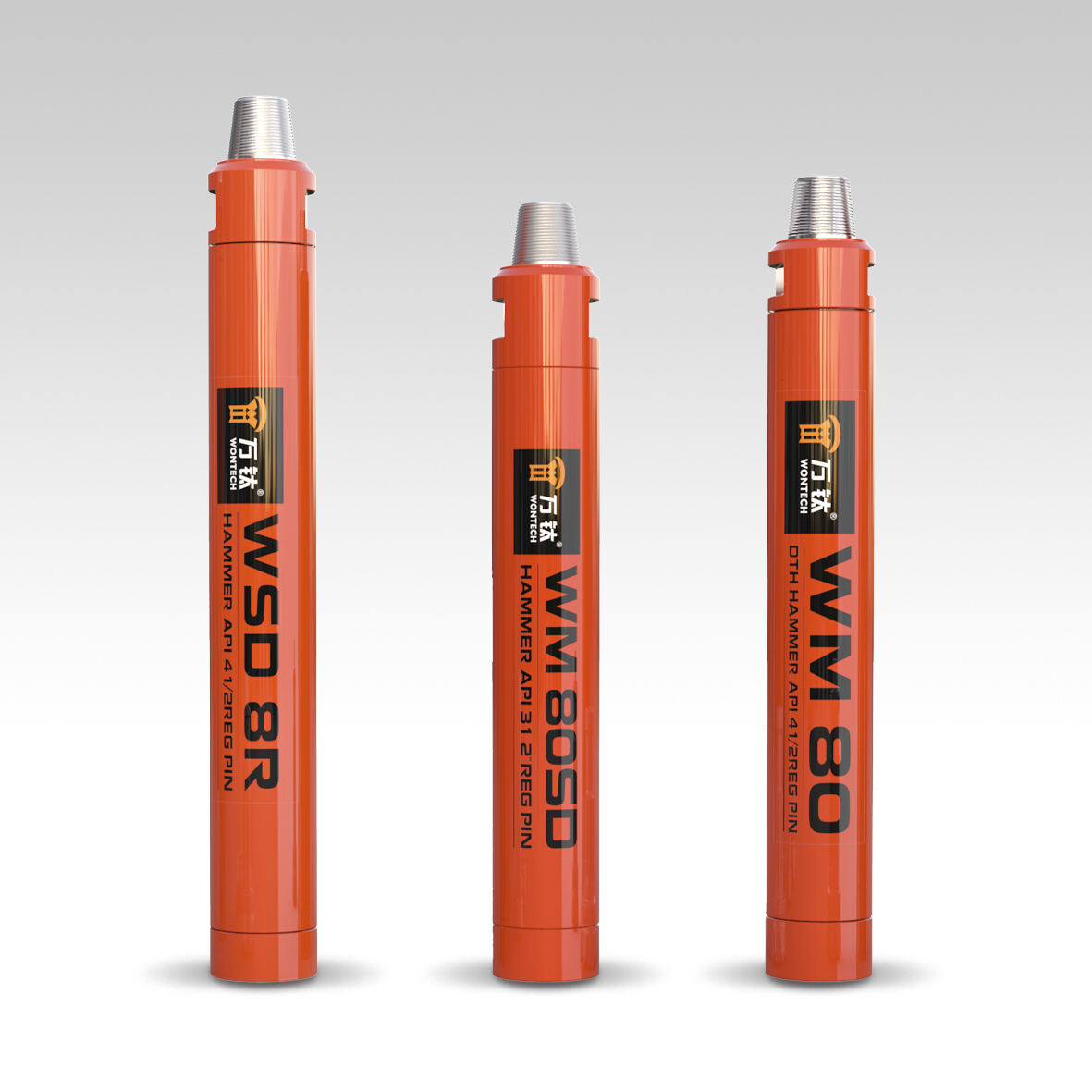
Fundamentals of Down-the-Hole Drilling Technology
Core Principles and Operating Mechanisms
The foundation of dth drilling lies in its unique hammer mechanism that operates directly at the drill bit face, delivering high-impact energy efficiently to the rock formation. Unlike conventional rotary drilling methods, dth drilling utilizes compressed air to power a pneumatic hammer positioned immediately behind the drilling bit. This configuration ensures maximum energy transfer with minimal loss through the drill string, resulting in exceptional penetration rates even in challenging geological conditions.
The pneumatic hammer mechanism operates through a precisely engineered cycle of air pressure and valve timing. Compressed air enters the hammer through the drill string, where it activates a reciprocating piston that strikes the drill bit multiple times per second. This continuous percussion action, combined with rotation and air circulation, creates an extremely effective drilling process that pulverizes rock and efficiently removes cuttings from the borehole.
System Components and Integration
Modern dth drilling systems comprise several integrated components working in harmony to achieve optimal performance. The primary elements include the pneumatic hammer, drill bit, drill string, air compressor, and circulation system. Each component plays a crucial role in the overall efficiency and effectiveness of the dth drilling operation, requiring careful selection and maintenance to ensure consistent performance.
The drill bit design specifically engineered for dth drilling features hardened buttons or inserts strategically positioned to maximize rock fragmentation while minimizing wear. These bits incorporate advanced metallurgy and geometric configurations optimized for specific rock types and drilling conditions. The integration of these components creates a drilling system capable of achieving remarkable penetration rates while maintaining excellent directional control and hole quality.
Equipment Selection and Specifications
Hammer Size and Power Considerations
Selecting the appropriate hammer size for dth drilling operations requires careful analysis of multiple factors including hole diameter, drilling depth, rock hardness, and required penetration rates. Hammer sizes typically range from 3 inches to 8 inches or larger, with each size category optimized for specific applications and drilling conditions. The power output and impact energy must match the geological challenges while considering operational efficiency and equipment longevity.
Larger hammers deliver greater impact energy and can handle more demanding drilling conditions, but they also require higher air consumption and more robust support equipment. The relationship between hammer size, air requirements, and drilling performance must be carefully balanced to achieve optimal results. Modern dth drilling hammers incorporate advanced designs that maximize impact efficiency while minimizing air consumption and operational costs.
Compressor Requirements and Air Management
The air compressor serves as the powerhouse of any dth drilling system, providing the compressed air necessary for hammer operation and cuttings removal. Compressor selection involves determining the required air flow rate, operating pressure, and quality specifications based on the chosen hammer and drilling conditions. Inadequate air supply can significantly impact drilling performance, while excessive capacity represents unnecessary operational costs.
Air quality management plays a critical role in dth drilling success, as moisture, oil, and particulate contamination can damage hammer components and reduce operational efficiency. Modern air treatment systems incorporate filtration, drying, and lubrication components designed to deliver clean, dry air at consistent pressure and flow rates. Proper air management extends equipment life and maintains optimal drilling performance throughout extended operations.
Drilling Techniques and Operational Parameters
Penetration Rate Optimization
Maximizing penetration rates in dth drilling requires understanding the complex relationships between operational parameters including rotation speed, feed pressure, air flow, and hammer frequency. These variables must be optimized for specific geological conditions and drilling objectives to achieve maximum efficiency. Excessive feed pressure can cause hammer stalling, while insufficient pressure results in poor penetration rates and increased bit wear.
Rotation speed affects hole quality and bit wear patterns, with optimal speeds varying based on rock type and formation characteristics. Too rapid rotation can cause premature bit wear and poor hole straightness, while insufficient rotation may result in irregular hole geometry and reduced drilling efficiency. Experienced operators develop intuitive understanding of these relationships through practical experience and continuous monitoring of drilling parameters.
Directional Control and Hole Quality
Maintaining precise directional control during dth drilling operations requires careful attention to equipment setup, operational parameters, and geological conditions. The inherent stability of the dth drilling system provides excellent directional control compared to other drilling methods, but proper technique remains essential for achieving precise hole placement and geometry. Factors affecting directional accuracy include drill string alignment, hammer design, and formation characteristics.
Hole quality encompasses multiple aspects including diameter consistency, wall smoothness, and deviation from planned trajectory. Dth drilling typically produces excellent hole quality due to the efficient rock fragmentation and debris removal characteristics of the system. Regular monitoring of hole conditions and adjustment of operational parameters ensures consistent quality throughout the drilling process.
Applications Across Industries
Water Well and Geothermal Applications
Water well drilling represents one of the most common applications for dth drilling technology, offering excellent performance in diverse geological conditions from soft sediments to hard crystalline rocks. The efficiency and precision of dth drilling make it ideal for both shallow domestic wells and deep municipal supply systems. The ability to maintain consistent hole diameter and quality ensures optimal well performance and longevity.
Geothermal drilling applications benefit significantly from dth drilling capabilities, particularly in the challenging conditions often encountered in geothermal fields. The high penetration rates and excellent directional control enable efficient installation of geothermal systems while minimizing drilling time and costs. The robust nature of dth drilling equipment handles the demanding conditions associated with geothermal projects effectively.
Mining and Quarrying Operations
Mining operations utilize dth drilling extensively for blast hole drilling, exploration drilling, and various support activities. The speed and accuracy of dth drilling systems enable efficient completion of large-scale drilling programs while maintaining precise hole placement for optimal blasting results. The versatility of dth drilling equipment allows adaptation to various mining applications and geological conditions.
Quarrying operations benefit from the precision and efficiency of dth drilling for both production drilling and dimensional stone extraction. The excellent hole quality and minimal deviation characteristics of dth drilling contribute to improved quarry productivity and reduced waste. Modern dth drilling systems incorporate advanced features specifically designed for quarrying applications.
Maintenance and Troubleshooting
Preventive Maintenance Protocols
Effective maintenance programs are essential for maximizing the performance and longevity of dth drilling equipment. Regular inspection and servicing of hammer components, air systems, and support equipment prevents costly downtime and ensures consistent drilling performance. Maintenance schedules should be based on operating hours, drilling conditions, and manufacturer recommendations.
Key maintenance activities include hammer component inspection, air filter replacement, lubrication system servicing, and drill string examination. Proper maintenance records enable tracking of component performance and prediction of replacement needs. Investing in comprehensive maintenance programs significantly reduces total operating costs and improves drilling efficiency.
Common Issues and Solutions
Understanding common dth drilling problems and their solutions enables operators to quickly diagnose and resolve issues that may arise during operations. Typical problems include hammer stalling, reduced penetration rates, excessive bit wear, and air system contamination. Each issue has specific causes and solutions that experienced operators can identify and address promptly.
Systematic troubleshooting approaches help identify root causes rather than treating symptoms. This methodology reduces recurring problems and improves overall system reliability. Training programs that emphasize problem-solving skills and equipment understanding are valuable investments for drilling organizations utilizing dth drilling technology.
Future Developments and Technology Trends
Advanced Materials and Design Innovations
The evolution of dth drilling technology continues through advances in materials science, engineering design, and manufacturing processes. New alloys and coating technologies extend component life and improve performance under challenging conditions. Advanced computational fluid dynamics and finite element analysis enable optimization of hammer designs for specific applications and operating conditions.
Innovations in bit design incorporate advanced cutting structures and wear-resistant materials that significantly extend operational life while maintaining or improving penetration rates. These developments reduce operating costs and improve drilling efficiency across various applications. The integration of smart technologies and sensors enables real-time monitoring and optimization of drilling parameters.
Automation and Digital Integration
The integration of automation and digital technologies transforms dth drilling operations through improved precision, efficiency, and safety. Automated drilling systems can optimize parameters in real-time based on geological conditions and operational objectives. Digital monitoring systems provide comprehensive data collection and analysis capabilities that enable continuous improvement of drilling processes.
Remote monitoring and control capabilities allow expert oversight of dth drilling operations regardless of location, improving decision-making and reducing the need for specialized personnel at remote sites. These technological advances position dth drilling as a leading drilling method for future applications across multiple industries.
FAQ
What are the main advantages of dth drilling over conventional drilling methods
DTH drilling offers several significant advantages including higher penetration rates, better directional control, excellent hole quality, and reduced energy loss through the drill string. The direct energy transfer at the bit face eliminates much of the energy loss experienced in conventional drilling, resulting in faster drilling and lower fuel consumption. Additionally, the efficient cuttings removal and minimal deviation characteristics make dth drilling ideal for precision applications.
How do I determine the correct hammer size for my drilling application
Hammer size selection depends on several factors including desired hole diameter, drilling depth, rock hardness, available air supply, and required penetration rates. Generally, larger hammers provide more power for challenging conditions but require higher air consumption. Consult with equipment manufacturers and consider geological surveys to match hammer specifications with your specific drilling requirements and operational constraints.
What maintenance is required for dth drilling equipment
Regular maintenance includes daily inspection of hammer components, air filter replacement, lubrication system servicing, and drill string examination. Schedule comprehensive servicing based on operating hours and manufacturer recommendations. Monitor air quality, maintain proper lubrication, and replace worn components promptly to prevent costly failures. Keep detailed maintenance records to track performance and predict replacement needs.
Can dth drilling be used in all types of rock formations
DTH drilling performs effectively in most rock types from soft sediments to extremely hard formations. However, very soft, sticky formations or highly fractured rock may present challenges. In unconsolidated materials, casing advancement may be necessary. The versatility of dth drilling makes it suitable for most geological conditions encountered in water well, mining, and construction applications with proper equipment selection and operational techniques.