
 EN
EN
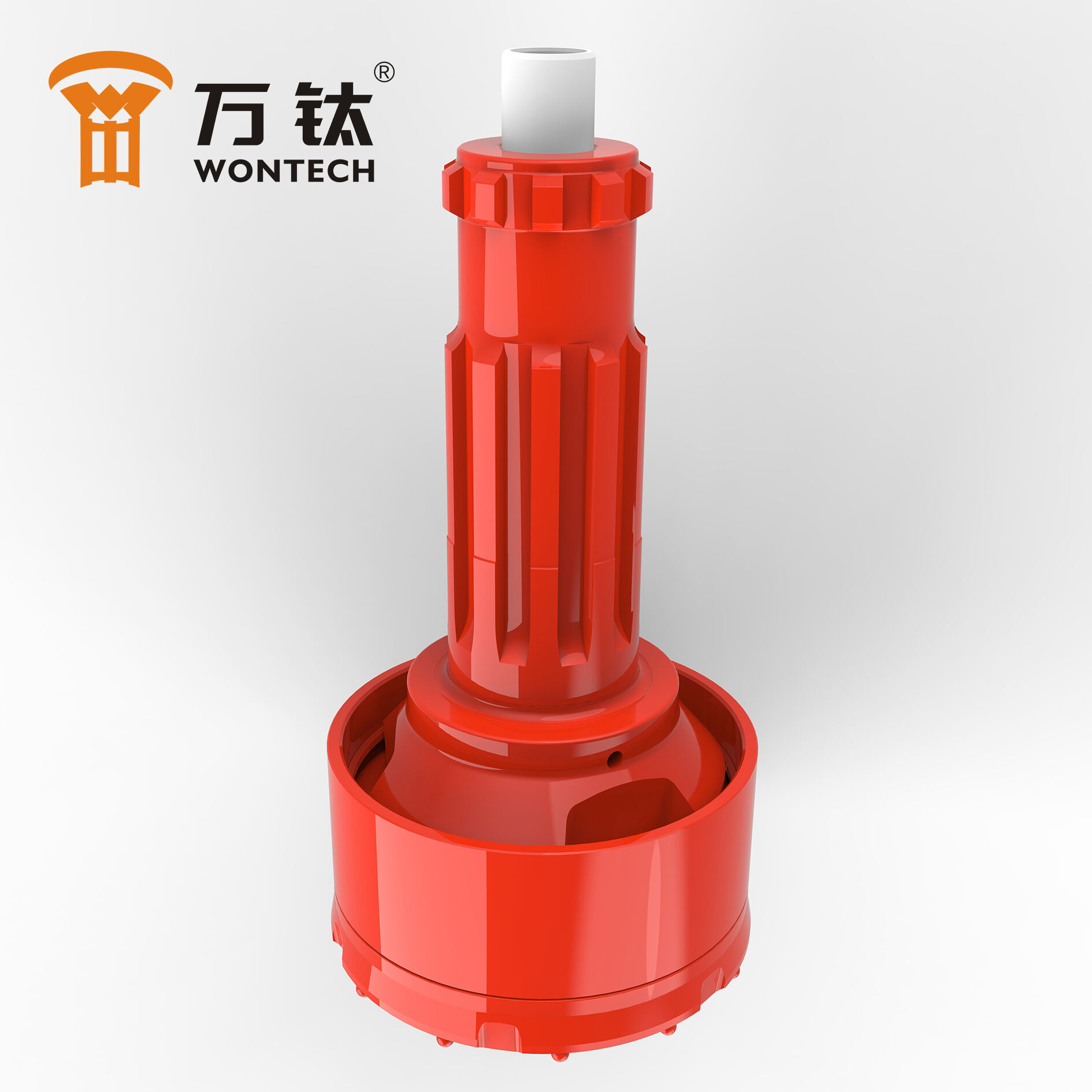
Professional drilling operations depend heavily on the performance and longevity of specialized equipment, particularly when it comes to water well and geothermal drilling applications. The concentric casing bit represents a critical component in modern drilling systems, designed to simultaneously advance the borehole and install casing in a single operation. Understanding proper maintenance protocols for these sophisticated tools can significantly impact drilling efficiency, project costs, and overall operational success.
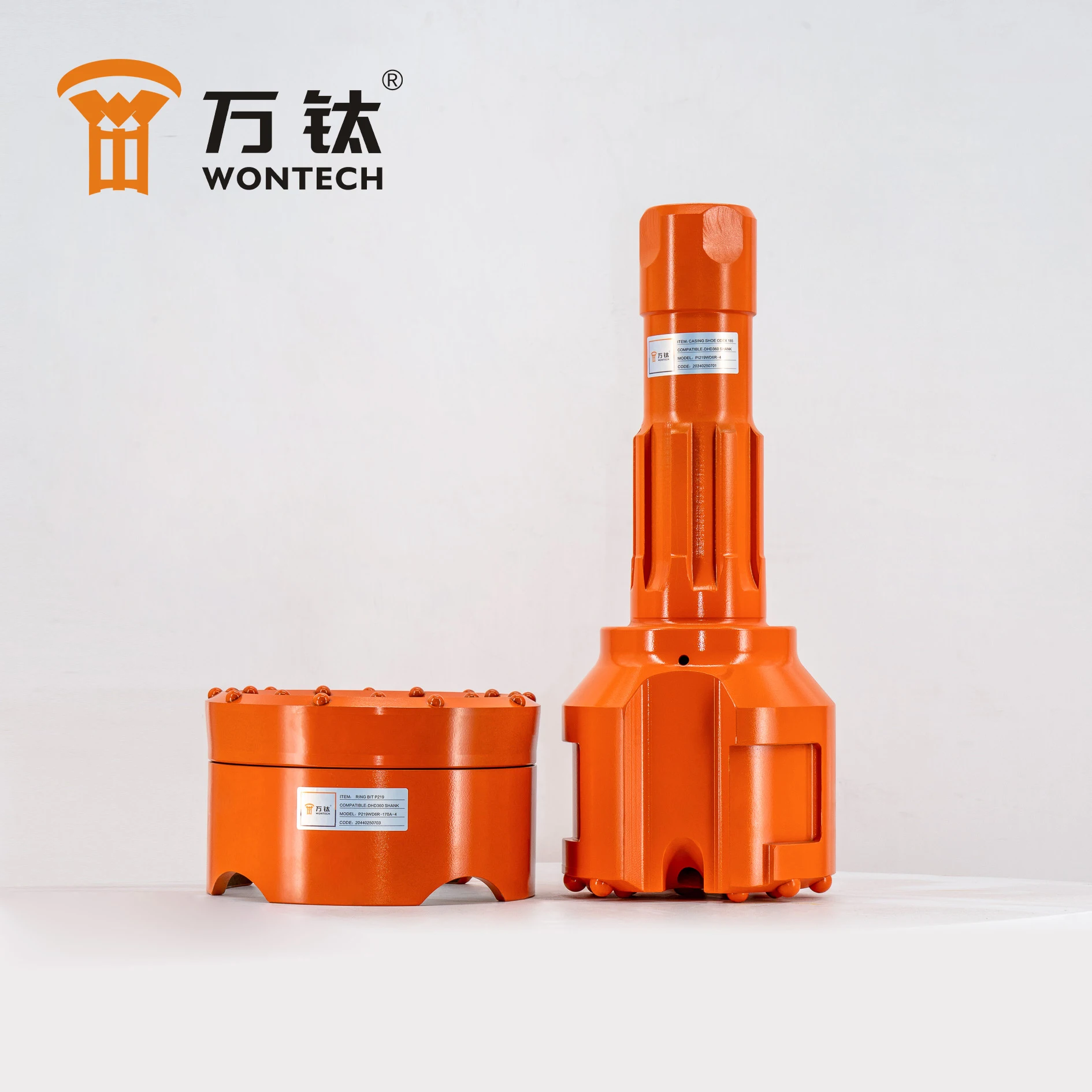
The maintenance of concentric casing bits requires a comprehensive approach that encompasses pre-drilling inspection, operational monitoring, and post-drilling care. These specialized drilling tools face extreme conditions during operation, including high-pressure air flow, abrasive rock formations, and thermal stress from continuous use. Proper maintenance not only extends the service life of the equipment but also ensures consistent drilling performance and reduces unexpected downtime that can significantly impact project timelines and budgets.
Effective maintenance practices begin with understanding the unique design characteristics of concentric casing systems. Unlike conventional drilling methods, these systems integrate multiple functions into a single tool assembly, requiring specialized knowledge for optimal care and handling. The complexity of these systems demands attention to detail in every aspect of maintenance, from cleaning procedures to storage requirements.
Pre-Drilling Inspection and Preparation
Visual Assessment and Component Verification
Before deploying any concentric casing bit in drilling operations, conducting a thorough visual inspection represents the first line of defense against equipment failure. This inspection should focus on identifying signs of wear, damage, or contamination that could compromise drilling performance. Operators should examine the bit face for chipped or worn carbide inserts, checking for uniform wear patterns that indicate proper drilling alignment and technique.
The inspection process should extend beyond the cutting surface to include all threaded connections, sealing surfaces, and internal passages. Damaged threads can lead to connection failures during drilling, while compromised sealing surfaces may result in air leakage that reduces drilling efficiency. Internal passages require particular attention, as blockages or damage can restrict air flow and negatively impact bit performance and cooling.
Documentation of inspection findings provides valuable data for tracking bit condition over time and identifying patterns that may indicate operational issues or maintenance needs. This record-keeping practice supports informed decisions about bit rotation, replacement timing, and operational adjustments that can extend overall equipment life.
Cleaning and Contamination Removal
Proper cleaning procedures form the foundation of effective concentric casing bit maintenance. Drilling operations expose these tools to various contaminants, including rock particles, drilling mud residue, and metallic debris that can accumulate in critical areas. Thorough cleaning removes these materials and prevents them from causing wear or interference during subsequent drilling operations.
The cleaning process should begin immediately after drilling operations conclude, while contaminants remain relatively loose and easier to remove. High-pressure water or compressed air can effectively dislodge most debris, but care must be taken to direct cleaning media away from sensitive bearing surfaces and sealing areas. Chemical cleaning agents may be necessary for removing stubborn deposits, but compatibility with bit materials must be verified to prevent corrosion or degradation.
Special attention should be given to internal air passages, as restrictions in these areas can significantly impact drilling performance. Proper cleaning tools and techniques ensure complete removal of debris without damaging internal surfaces or creating new restrictions. The use of appropriate cleaning solvents and protective measures helps maintain the integrity of all bit components during the cleaning process.
Operational Monitoring and Real-Time Care
Performance Parameter Tracking
Effective maintenance extends beyond pre and post-drilling activities to include continuous monitoring during drilling operations. Real-time assessment of drilling parameters provides early warning signs of potential issues that could affect bit life or performance. Key parameters include drilling rate, air pressure requirements, vibration levels, and visible wear patterns on retrieved samples.
Changes in drilling rate often indicate developing problems with the concentric casing bit or drilling conditions. A sudden decrease in penetration rate may signal dulled cutting surfaces, while erratic drilling behavior could indicate damaged or loose components. Monitoring these parameters allows operators to make timely adjustments or schedule maintenance interventions before minor issues become major problems.
Air pressure requirements provide another valuable indicator of bit condition and system integrity. Increasing pressure requirements may indicate restrictions in air passages or deteriorating sealing surfaces. Conversely, decreasing pressure requirements with maintained drilling performance often suggests optimal bit condition and proper maintenance practices.
Lubrication and Cooling Management
Proper lubrication and cooling management during drilling operations significantly impacts the service life of concentric casing bits. These systems rely on compressed air flow for both debris removal and cooling, making air quality and flow characteristics critical factors in bit longevity. Moisture and contaminants in the air supply can accelerate wear and cause operational problems.
Regular monitoring of air supply quality helps identify potential issues before they affect drilling operations. Moisture separators and filtration systems require periodic inspection and maintenance to ensure optimal air quality. Additionally, maintaining appropriate air pressure levels ensures adequate cooling and debris removal without creating unnecessary stress on bit components.
Temperature monitoring provides valuable insights into bit condition and operational efficiency. Excessive heating may indicate insufficient cooling, damaged sealing surfaces, or inappropriate drilling parameters. Implementing thermal monitoring systems allows operators to make real-time adjustments that protect bit integrity and extend service life.
Post-Drilling Maintenance and Storage
Comprehensive Cleaning and Assessment
Post-drilling maintenance begins with immediate and thorough cleaning to remove all drilling residues and contaminants. This process should be more comprehensive than routine cleaning, involving detailed inspection of all bit surfaces and components. The goal is to restore the bit to optimal condition for storage or immediate redeployment while identifying any damage or wear that requires attention.
Disassembly of removable components allows for thorough cleaning and inspection of internal surfaces that may not be accessible during routine maintenance. This detailed approach helps identify developing problems early and ensures that all bit components receive appropriate care. Proper disassembly techniques prevent damage to threaded connections and sealing surfaces during the maintenance process.
Documentation of bit condition following detailed inspection provides valuable data for maintenance planning and equipment lifecycle management. Detailed records help identify optimal replacement intervals, track component performance, and support warranty claims when applicable. This information also aids in optimizing drilling parameters and maintenance schedules for improved overall efficiency.
Storage Environment and Protection
Proper storage practices play a crucial role in maintaining concentric casing bit condition between drilling operations. Storage environments should protect bits from moisture, temperature extremes, and physical damage while maintaining accessibility for inspection and deployment. Controlled humidity levels prevent corrosion of steel components, while stable temperatures minimize thermal stress on sensitive materials.
Physical protection during storage includes securing bits in appropriate containers or racks that prevent contact damage and support proper orientation. Threaded connections should be protected with appropriate covers or threading protectors, while cutting surfaces require protection from impact or contamination. Proper labeling and organization systems ensure efficient inventory management and reduce handling damage.
Regular inspection of stored bits helps identify developing issues before they affect drilling operations. This practice includes periodic cleaning, lubrication of moving parts, and verification of protective measures. Maintaining detailed storage records supports effective inventory rotation and ensures that bits receive appropriate care throughout their service life.
Component Replacement and Refurbishment
Wear Assessment and Replacement Criteria
Establishing clear criteria for component replacement helps maximize the service life of concentric casing bits while maintaining drilling performance and safety. Wear assessment should consider multiple factors, including cutting insert condition, bearing wear, sealing surface integrity, and overall structural soundness. These assessments require specialized knowledge and appropriate measurement tools to ensure accurate evaluation.
Cutting insert evaluation focuses on carbide condition, retention security, and wear patterns. Uniform wear across all inserts typically indicates proper drilling practices and bit alignment, while irregular wear may suggest operational issues that require attention. Insert replacement should occur before wear reaches critical levels that could compromise drilling efficiency or cause secondary damage to other bit components.
Bearing assessment requires attention to both radial and axial play, surface condition, and lubrication effectiveness. Excessive play indicates wear that could lead to bit failure, while scoring or pitting suggests inadequate lubrication or contamination issues. Timely bearing replacement prevents catastrophic failure and protects other bit components from damage.
Professional Refurbishment Services
Professional refurbishment services provide specialized capabilities for restoring concentric casing bits to optimal condition when field maintenance is insufficient. These services typically include precision machining, specialized welding, heat treatment, and quality assurance testing that exceeds field capabilities. Professional refurbishment can significantly extend bit life while maintaining performance standards.
Refurbishment processes often include upgrades or modifications that improve bit performance or durability based on field experience and technological advances. These improvements may include enhanced insert designs, improved sealing systems, or upgraded bearing configurations. Professional services also provide detailed documentation of work performed and remaining service life estimates.
The decision to pursue professional refurbishment versus replacement depends on bit condition, refurbishment costs, and operational requirements. Economic analysis should consider total cost of ownership, including refurbishment expenses, expected service life, and performance characteristics. Professional assessment services help operators make informed decisions about the most cost-effective approach for their specific applications.
Quality Control and Documentation
Maintenance Record Systems
Comprehensive maintenance record systems provide the foundation for effective concentric casing bit management and lifecycle optimization. These systems should track all maintenance activities, performance data, and condition assessments throughout the bit's service life. Detailed records support predictive maintenance strategies, warranty claims, and continuous improvement initiatives.
Digital record-keeping systems offer advantages in data accessibility, analysis capabilities, and integration with other operational systems. These platforms can automate routine data collection, generate maintenance reminders, and provide analytical tools for identifying performance trends and optimization opportunities. Integration with drilling data systems provides comprehensive operational insights that support improved decision-making.
Standardized data collection procedures ensure consistency and completeness in maintenance records. Training personnel in proper documentation practices and providing appropriate tools and systems support effective record-keeping. Regular review of maintenance data helps identify opportunities for process improvements and equipment optimization.
Performance Analysis and Optimization
Regular analysis of maintenance and performance data provides insights for optimizing concentric casing bit management strategies. This analysis should consider factors such as bit life, drilling efficiency, maintenance costs, and operational reliability. Identifying patterns and trends in bit performance helps optimize maintenance schedules, operational parameters, and equipment selection.
Benchmarking bit performance against manufacturer specifications and industry standards provides objective measures of maintenance effectiveness. Variations from expected performance may indicate maintenance issues, operational problems, or opportunities for improvement. Regular benchmarking also supports vendor evaluations and equipment selection decisions.
Continuous improvement initiatives based on performance analysis help optimize maintenance practices and operational efficiency. These initiatives may include modified maintenance procedures, enhanced training programs, or equipment upgrades. Implementing systematic improvement processes ensures that maintenance practices evolve with operational experience and technological advances.
FAQ
How often should concentric casing bits be inspected during drilling operations
Concentric casing bits should be visually inspected at least once per shift during active drilling operations, with more frequent inspections recommended in challenging geological conditions. Additionally, bits should undergo detailed inspection whenever drilling parameters change significantly, such as decreased penetration rates or increased air pressure requirements. Real-time monitoring of drilling performance provides the best indication of when detailed inspections are necessary.
What are the most common signs that indicate a concentric casing bit needs immediate maintenance
The most common warning signs include sudden decreases in drilling rate, increased air pressure requirements, excessive vibration during drilling, visible damage to cutting inserts, and irregular wear patterns on drilling samples. Additionally, unusual sounds during operation, difficulty maintaining straight holes, and increased casing installation resistance all indicate potential bit problems requiring immediate attention.
Can concentric casing bits be effectively maintained in field conditions without specialized equipment
Basic maintenance activities such as cleaning, visual inspection, and minor adjustments can be performed effectively in field conditions with standard tools and equipment. However, detailed assessments, precision measurements, component replacement, and refurbishment typically require specialized equipment and facilities. Field maintenance should focus on preservation and basic care, while comprehensive maintenance is best performed in properly equipped facilities.
What storage conditions are optimal for extending concentric casing bit life between projects
Optimal storage conditions include controlled humidity levels below 50%, stable temperatures between 60-80°F, protection from direct sunlight and weather exposure, and secure mounting systems that prevent physical damage. Bits should be thoroughly cleaned and dried before storage, with threaded connections protected and cutting surfaces covered. Regular inspection during storage helps identify any developing issues before they affect performance.
Table of Contents
- Pre-Drilling Inspection and Preparation
- Operational Monitoring and Real-Time Care
- Post-Drilling Maintenance and Storage
- Component Replacement and Refurbishment
- Quality Control and Documentation
-
FAQ
- How often should concentric casing bits be inspected during drilling operations
- What are the most common signs that indicate a concentric casing bit needs immediate maintenance
- Can concentric casing bits be effectively maintained in field conditions without specialized equipment
- What storage conditions are optimal for extending concentric casing bit life between projects