
 EN
EN

The down the hole hammer represents one of the most revolutionary advancements in drilling technology, transforming how professionals approach challenging geological formations. This pneumatic drilling tool delivers exceptional penetration rates through hard rock, consolidated soils, and other difficult materials where conventional drilling methods often fall short. Modern drilling operations across industries including water well construction, geothermal energy development, and mining exploration rely heavily on the superior performance capabilities that down the hole hammer systems provide.
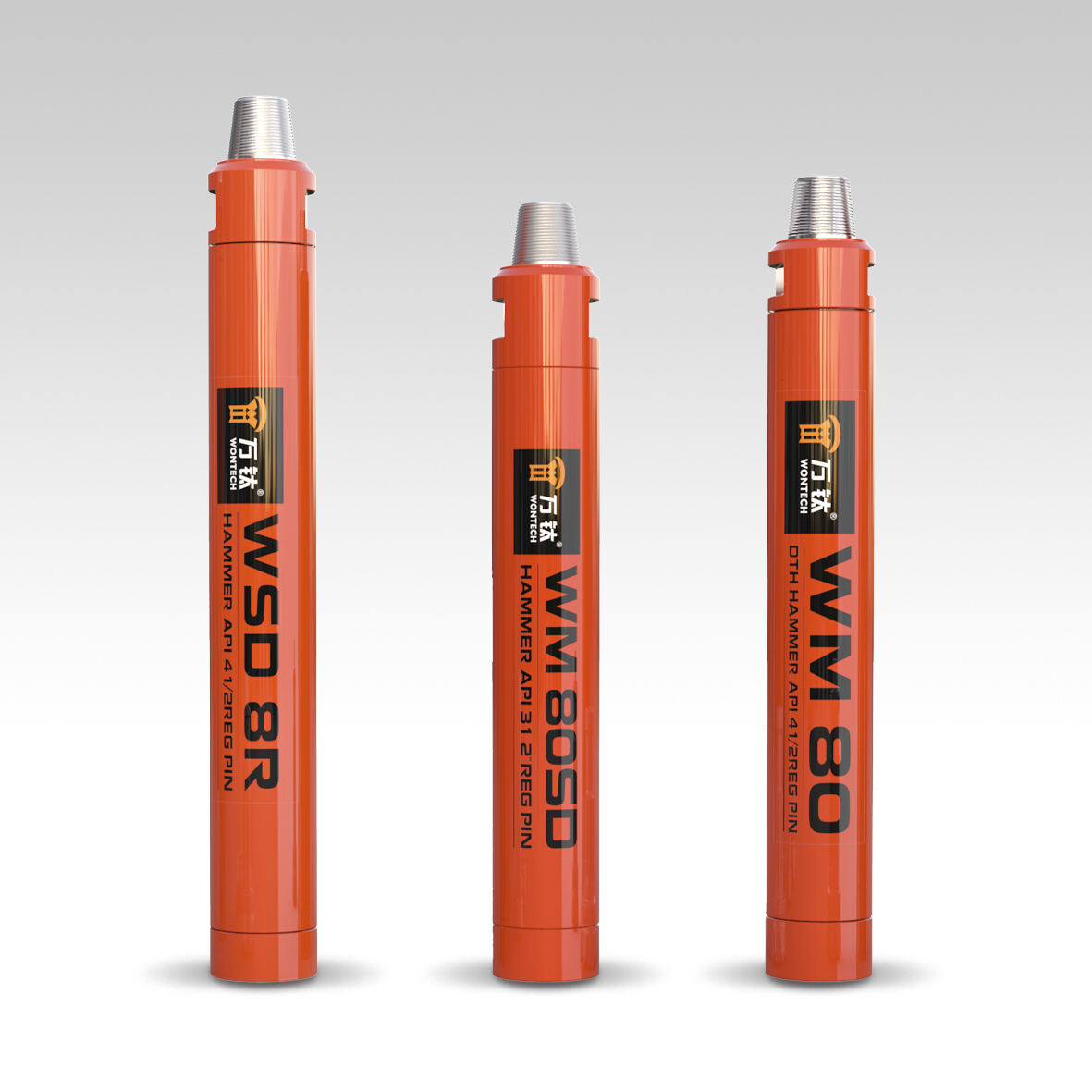
Understanding the operational principles and selection criteria for these specialized drilling tools becomes essential for project managers, drilling contractors, and equipment operators seeking optimal performance outcomes. The technology behind down the hole hammer systems involves sophisticated engineering that converts compressed air energy into powerful percussive force, enabling efficient drilling through formations that would otherwise require significantly more time and resources using alternative methods. Professional drilling teams worldwide recognize these tools as indispensable components of their equipment arsenal.
Fundamental Operating Principles
Pneumatic Energy Conversion Systems
The core functionality of a down the hole hammer centers around its ability to convert compressed air into kinetic energy through a precisely engineered piston mechanism. High-pressure air enters the hammer housing and drives an internal piston that strikes the drill bit with tremendous force, creating the percussive action necessary for effective rock penetration. This energy conversion process occurs at extremely high frequencies, typically ranging from 1,000 to 3,500 blows per minute depending on the specific hammer design and operating conditions.
Advanced valve systems within the hammer regulate air flow patterns to ensure consistent piston movement and optimal energy transfer to the cutting surface. The engineering precision required for these components demands strict manufacturing tolerances and high-quality materials capable of withstanding extreme operational stresses. Professional drilling operations depend on this reliable energy conversion to maintain consistent penetration rates and minimize equipment downtime during critical project phases.
Bit Selection and Cutting Mechanisms
Drill bit selection plays a crucial role in maximizing the effectiveness of down the hole hammer operations, with various bit designs optimized for specific geological conditions and drilling objectives. Button bits featuring tungsten carbide inserts provide exceptional durability and cutting efficiency in hard rock formations, while cross bits offer superior performance in softer materials. The bit face geometry, including button size, spacing, and configuration, directly impacts penetration rates and overall drilling performance.
Proper bit maintenance and replacement scheduling ensure consistent drilling performance and prevent costly equipment damage from worn cutting surfaces. Experienced operators monitor bit condition closely, recognizing that dulled or damaged bits significantly reduce drilling efficiency and can cause excessive wear on hammer components. The investment in quality bits and systematic replacement protocols typically results in substantial cost savings through improved productivity and reduced equipment maintenance requirements.
Application Areas and Industry Usage
Water Well Development Projects
Water well drilling represents one of the most common applications for down the hole hammer technology, particularly in regions where hard rock aquifers require penetration through consolidated formations. Municipal water supply projects, agricultural irrigation systems, and residential well installations frequently encounter geological conditions that make conventional drilling methods inefficient or impractical. The down the hole hammer provides the necessary force and precision to achieve target depths while maintaining proper borehole integrity.
Professional water well contractors appreciate the consistent performance and reliability that these hammer systems deliver across diverse geological conditions. The ability to maintain straight boreholes and achieve precise depth targets becomes particularly important for wells requiring specific aquifer penetration or completion specifications. Modern hammer designs incorporate features that minimize deviation and ensure proper hole cleaning, resulting in higher-quality well installations that meet stringent industry standards.
Geothermal Energy Development
Geothermal drilling projects present unique challenges that make down the hole hammer technology particularly valuable for achieving project objectives efficiently and cost-effectively. These applications often require penetration through multiple rock formations at significant depths, where maintaining drilling progress and borehole stability becomes critical for project success. The consistent energy delivery and reliable performance characteristics of hammer systems enable drilling teams to maintain progress through challenging geological transitions.
Temperature considerations and equipment durability requirements in geothermal applications demand specialized hammer designs capable of operating effectively under extreme conditions. Advanced materials and engineering modifications ensure reliable performance even when exposed to elevated temperatures and corrosive environments commonly encountered in geothermal drilling operations. The investment in appropriate hammer technology typically results in significant time and cost savings compared to alternative drilling methods.
Technical Specifications and Performance Parameters
Size Classifications and Capacity Ranges
Down the hole hammer systems are manufactured in various size classifications to accommodate different drilling requirements and equipment capabilities. Smaller diameter hammers, typically ranging from 3 to 6 inches, provide excellent performance for residential and light commercial applications where mobility and equipment costs represent primary considerations. Medium-sized hammers in the 6 to 10-inch range offer increased power and drilling capacity suitable for most commercial and industrial projects.
Large diameter hammers exceeding 10 inches deliver maximum drilling power for heavy industrial applications, mining operations, and large-scale infrastructure projects. The selection of appropriate hammer size depends on factors including target hole diameter, expected drilling depth, geological conditions, and available air compressor capacity. Professional drilling contractors maintain inventories of multiple hammer sizes to ensure optimal equipment matching for diverse project requirements.
Air Pressure and Flow Requirements
Proper air pressure and flow rate specifications are essential for achieving optimal down the hole hammer performance and preventing premature equipment failure. Most hammer systems require minimum air pressures between 150 and 350 PSI, with specific requirements varying based on hammer design and intended applications. Insufficient air pressure results in reduced impact energy and slower penetration rates, while excessive pressure can cause accelerated wear and potential component failure.
Air flow requirements typically range from 150 to 1,200 CFM depending on hammer size and operational parameters. Matching compressor capacity to hammer specifications ensures consistent performance and prevents operational inefficiencies that can significantly impact project schedules and costs. Professional operations invest in appropriate compressor sizing and backup equipment to maintain reliable air supply throughout drilling operations.
Selection Criteria and Equipment Matching
Geological Assessment Considerations
Thorough geological assessment provides the foundation for proper down the hole hammer selection and ensures optimal equipment performance throughout drilling operations. Rock hardness, formation stability, and abrasiveness characteristics directly influence hammer selection criteria and expected operational parameters. Professional geologists and drilling engineers collaborate to analyze subsurface conditions and recommend appropriate equipment specifications for specific project requirements.
Groundwater conditions, formation chemistry, and potential drilling hazards require careful evaluation to prevent equipment damage and ensure safe operations. Corrosive environments may necessitate specialized hammer materials or protective treatments to maintain equipment reliability and service life. The investment in comprehensive geological assessment typically results in improved equipment selection decisions and reduced operational risks.
Project Timeline and Budget Constraints
Project scheduling requirements and budget limitations significantly influence down the hole hammer selection decisions and operational strategies. Aggressive timeline demands may justify investment in larger, more powerful hammer systems capable of achieving faster penetration rates despite higher equipment and operational costs. Conversely, budget-constrained projects might benefit from smaller, more economical systems that provide adequate performance at reduced investment levels.
Long-term equipment utilization plans and maintenance cost considerations should factor into selection decisions to ensure optimal return on investment. Professional drilling contractors evaluate total cost of ownership including purchase price, operational expenses, maintenance requirements, and expected service life when making equipment acquisition decisions. This comprehensive approach typically results in more effective equipment utilization and improved project profitability.
Maintenance and Operational Best Practices
Preventive Maintenance Protocols
Systematic preventive maintenance programs are essential for maximizing down the hole hammer service life and maintaining consistent operational performance. Regular inspection schedules should include detailed examination of all hammer components, with particular attention to wear patterns, seal integrity, and internal component condition. Professional maintenance technicians use specialized tools and procedures to assess component condition and identify potential issues before they result in equipment failure.
Lubrication systems require regular attention to ensure proper operation and prevent premature component wear. High-quality lubricants specifically designed for pneumatic drilling equipment provide superior protection under extreme operational conditions. Maintenance records and component tracking systems enable proactive replacement scheduling and help identify recurring issues that may indicate operational or equipment problems requiring attention.
Operational Safety Protocols
Safe operation of down the hole hammer equipment requires comprehensive training programs and strict adherence to established safety protocols. Operators must understand proper equipment handling procedures, air pressure management, and emergency shutdown procedures to prevent accidents and equipment damage. Personal protective equipment including hearing protection, safety glasses, and appropriate work clothing provides essential protection during drilling operations.
Equipment inspection procedures before each operational period help identify potential safety hazards and prevent accidents caused by mechanical failures. Proper air hose connections, pressure relief systems, and emergency controls must be verified and tested regularly to ensure reliable operation when needed. Professional drilling operations maintain detailed safety documentation and conduct regular training updates to ensure all personnel remain current with best practices and regulatory requirements.
FAQ
What factors determine the appropriate down the hole hammer size for a specific drilling project
The appropriate hammer size depends on several key factors including target hole diameter, expected drilling depth, geological conditions, and available air compressor capacity. Larger hammers provide increased drilling power but require more substantial air supply and handling equipment. Professional drilling contractors evaluate project specifications, subsurface conditions, and equipment availability to determine optimal hammer sizing for each application.
How does air pressure affect down the hole hammer performance and longevity
Proper air pressure is critical for optimal hammer performance, with insufficient pressure reducing impact energy and penetration rates while excessive pressure can cause premature component wear and failure. Most hammers operate optimally within specific pressure ranges, typically between 150 and 350 PSI depending on design specifications. Maintaining correct pressure levels ensures maximum drilling efficiency and extends equipment service life.
What maintenance schedule should be followed for down the hole hammer equipment
Maintenance schedules should include daily operational inspections, weekly detailed component checks, and periodic comprehensive overhauls based on operating hours or drilling footage. Daily inspections focus on air connections, lubrication systems, and visible component condition. Weekly maintenance includes detailed examination of wear components, seal integrity, and internal mechanisms. Major overhauls typically occur every 500 to 1,000 operating hours depending on operational conditions and manufacturer recommendations.
Can down the hole hammers be used effectively in all geological formations
While down the hole hammers excel in hard rock and consolidated formations, their effectiveness varies based on geological conditions and specific formation characteristics. These tools perform exceptionally well in granite, limestone, sandstone, and other competent rock formations but may be less effective in soft, unconsolidated materials or highly abrasive conditions. Professional assessment of subsurface conditions helps determine whether hammer technology represents the most appropriate drilling method for specific projects.
Table of Contents
- Fundamental Operating Principles
- Application Areas and Industry Usage
- Technical Specifications and Performance Parameters
- Selection Criteria and Equipment Matching
- Maintenance and Operational Best Practices
-
FAQ
- What factors determine the appropriate down the hole hammer size for a specific drilling project
- How does air pressure affect down the hole hammer performance and longevity
- What maintenance schedule should be followed for down the hole hammer equipment
- Can down the hole hammers be used effectively in all geological formations