
 EN
EN
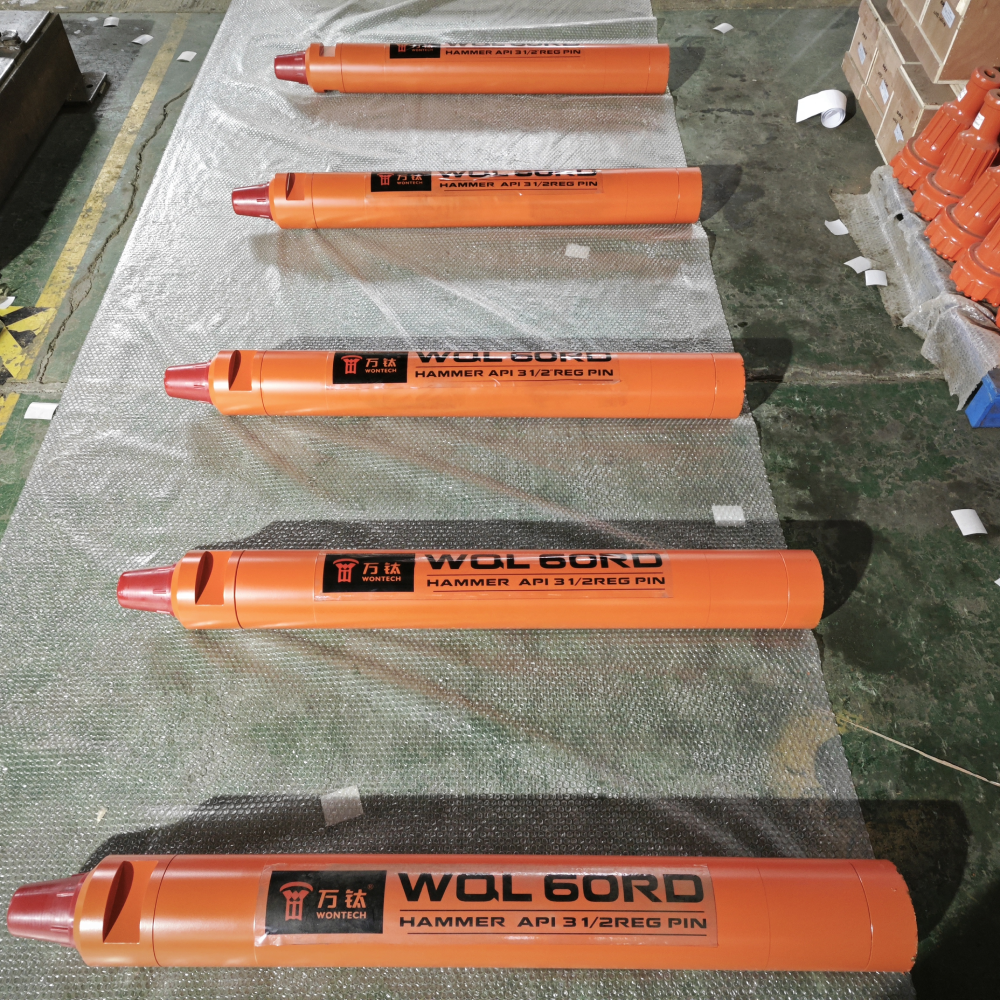
The drilling industry has witnessed remarkable technological advancements over the past several decades, with down the hole hammer technology standing at the forefront of innovation. These sophisticated drilling tools have transformed how we approach various subsurface projects, from water well construction to geothermal installations and foundation piling operations. The evolution of this technology represents a fascinating journey of engineering excellence, material science breakthroughs, and practical field applications that continue to shape modern drilling practices.
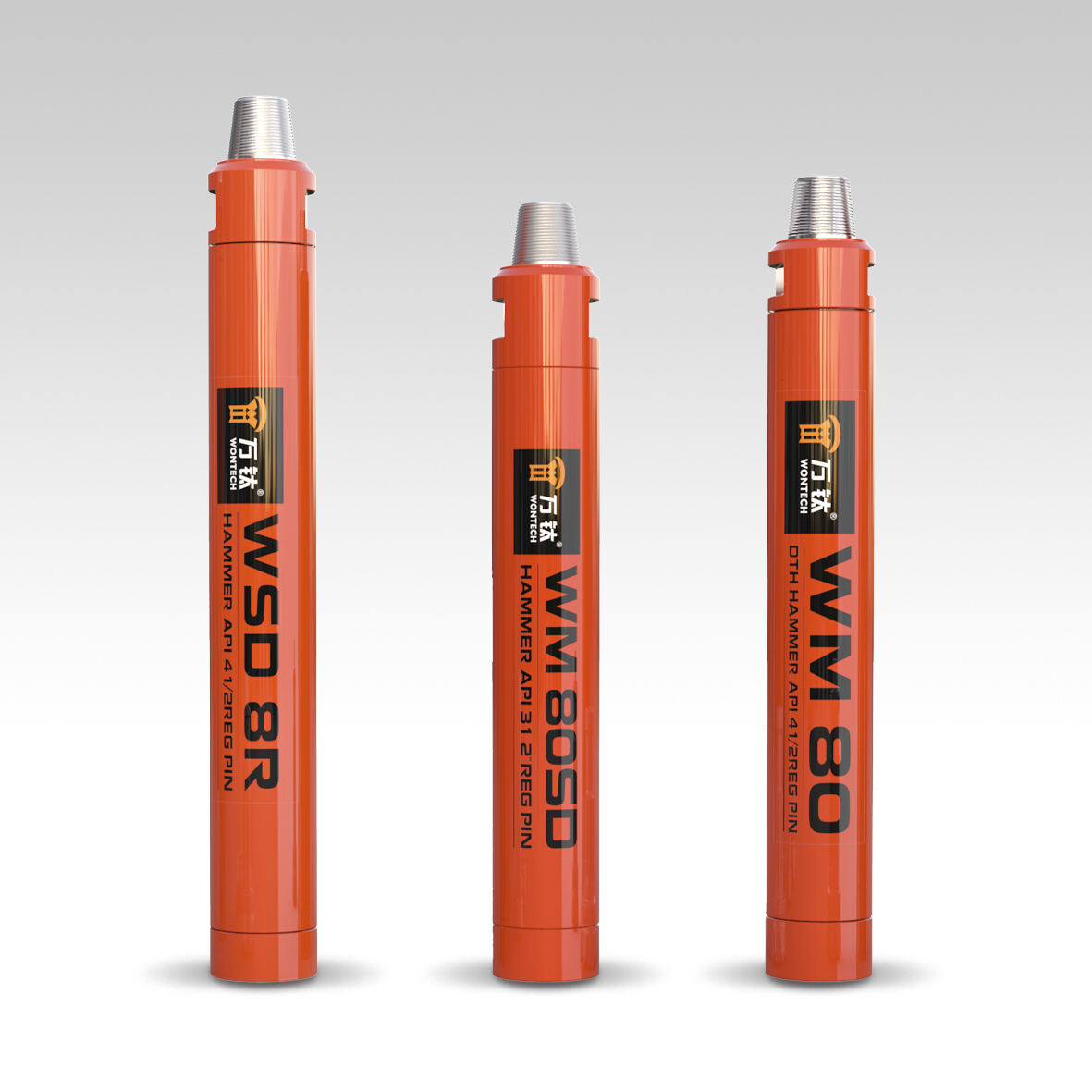
Early Development and Historical Context
Origins of Pneumatic Drilling Technology
The concept of pneumatic drilling technology emerged in the late 19th century, when engineers recognized the potential of compressed air as a driving force for drilling applications. Early pneumatic hammers were bulky, inefficient devices that required significant modifications to existing drilling rigs. These primitive systems laid the groundwork for what would eventually become the sophisticated down the hole hammer systems we know today. The initial designs focused primarily on mining applications, where the ability to drill through hard rock formations was paramount.
During the early 20th century, drilling contractors began experimenting with various configurations to improve efficiency and reduce operational costs. The challenge was creating a system that could deliver consistent impact energy while maintaining durability in harsh drilling conditions. These early experiments revealed the importance of proper air flow management and the need for robust materials that could withstand repeated high-impact operations.
Industrial Mining Applications
The mining industry became the primary testing ground for early down the hole hammer technology, as operators needed reliable methods to penetrate challenging geological formations. Mining operations demanded tools that could maintain consistent performance in abrasive conditions while delivering the penetration rates necessary for profitable operations. These demanding applications drove continuous improvements in design and manufacturing processes.
As mining operations expanded globally, the need for standardized down the hole hammer specifications became apparent. Different geological conditions required specific hammer configurations, leading to the development of various size categories and impact energy ratings. This diversification marked the beginning of specialized hammer designs for different applications, setting the stage for future technological developments.
Technological Breakthroughs and Design Evolution
Material Science Advancements
The development of advanced metallurgy played a crucial role in improving down the hole hammer performance and longevity. Early hammers suffered from premature wear and frequent breakdowns due to inadequate materials. The introduction of heat-treated alloy steels and specialized surface treatments significantly extended operational life while improving impact efficiency. These material improvements allowed manufacturers to design more aggressive drilling patterns and higher impact frequencies.
Modern down the hole hammer components now incorporate advanced materials such as tungsten carbide inserts, specialized steel alloys, and precision-engineered sealing systems. These materials enable hammers to operate effectively in temperatures exceeding 200 degrees Celsius while maintaining consistent performance across thousands of operational hours. The integration of computer-aided material selection has optimized component designs for specific geological conditions and operational requirements.
Air Flow Optimization
Understanding air flow dynamics became critical to maximizing down the hole hammer efficiency and drilling performance. Engineers developed sophisticated modeling techniques to optimize internal air passages, reducing energy losses and improving impact consistency. These improvements resulted in hammers that could operate effectively at lower air pressures while delivering superior penetration rates compared to earlier designs.
Modern air flow management systems incorporate multiple stages of pressure regulation and flow control, allowing operators to fine-tune hammer performance for specific drilling conditions. Advanced designs feature variable impact frequencies and energy outputs, enabling optimal performance across diverse geological formations. These systems also include integrated dust evacuation capabilities that maintain clear boreholes while protecting sensitive hammer components from abrasive contamination.
Modern Applications and Industry Impact
Water Well Drilling Revolution
The water well drilling industry experienced a significant transformation with the introduction of modern down the hole hammer technology. These advanced tools enabled contractors to drill deeper wells more efficiently while maintaining precise borehole dimensions and minimizing formation damage. The ability to penetrate challenging formations such as fractured bedrock and consolidated sediments opened new possibilities for accessing previously unreachable water resources.
Contemporary water well applications benefit from hammer designs specifically optimized for aquifer development and groundwater protection. These systems incorporate features such as controlled impact energy to prevent formation damage and specialized bit designs that maximize water flow while minimizing sediment production. The integration of real-time monitoring systems allows operators to adjust drilling parameters dynamically, ensuring optimal well development and long-term productivity.
Geothermal Installation Capabilities
Geothermal energy projects have become increasingly viable due to advances in down the hole hammer technology that enable efficient drilling in high-temperature environments. These applications require hammers capable of maintaining performance at extreme depths and temperatures while delivering the precision necessary for proper heat exchanger installation. Modern geothermal hammers incorporate specialized cooling systems and temperature-resistant materials that extend operational capabilities.
The growing demand for renewable energy solutions has driven further innovation in geothermal drilling applications. Advanced hammer designs now feature variable energy settings that allow operators to optimize drilling parameters for different formation types encountered during deep geothermal installations. These capabilities have significantly reduced drilling costs while improving the reliability of geothermal energy systems.
Technical Specifications and Performance Parameters
Impact Energy and Frequency Characteristics
Modern down the hole hammer systems are characterized by their ability to deliver precisely controlled impact energy at optimal frequencies for specific applications. Contemporary designs typically operate at impact frequencies ranging from 1,200 to 3,500 blows per minute, with energy outputs calibrated to match formation characteristics and drilling objectives. These parameters are carefully balanced to maximize penetration rates while minimizing component wear and operational costs.
Advanced hammer designs incorporate variable impact energy systems that allow real-time adjustment of drilling parameters without interrupting operations. This capability enables operators to optimize performance as geological conditions change, maintaining consistent penetration rates across diverse formations. The integration of electronic monitoring systems provides continuous feedback on hammer performance, facilitating predictive maintenance and operational optimization.
Size Classifications and Capacity Ranges
The current market offers down the hole hammer systems in standardized size categories ranging from compact 4-inch diameter units to massive 8-inch diameter systems capable of drilling large-diameter boreholes. Each size category is optimized for specific applications, with smaller hammers designed for precision drilling and larger units engineered for high-volume production drilling. This standardization has simplified equipment selection while ensuring compatibility with existing drilling infrastructure.
Large-diameter hammer systems have become particularly important for infrastructure projects requiring substantial foundation support or high-capacity water wells. These systems can deliver impact energies exceeding 1,000 foot-pounds while maintaining the precision necessary for critical installations. The development of modular hammer designs allows operators to configure systems for specific project requirements while maintaining standardized maintenance procedures.
Future Innovations and Emerging Trends
Automation and Smart Technology Integration
The integration of smart technology and automation systems represents the next frontier in down the hole hammer development. Modern systems are beginning to incorporate sensors that monitor real-time performance parameters, enabling predictive maintenance and automated drilling optimization. These technologies promise to reduce operational costs while improving drilling consistency and equipment reliability across diverse applications.
Future developments are expected to include fully automated drilling systems that can adjust hammer parameters in real-time based on formation feedback and drilling objectives. Machine learning algorithms will analyze historical performance data to optimize drilling strategies for specific geological conditions. These advances will enable unmanned drilling operations while maintaining the precision and efficiency required for modern infrastructure projects.
Environmental Considerations and Sustainability
Environmental sustainability has become a driving force in down the hole hammer development, with manufacturers focusing on reducing energy consumption and minimizing environmental impact. New designs incorporate advanced materials and manufacturing processes that extend operational life while reducing waste generation. These improvements align with industry demands for more sustainable drilling practices and reduced carbon footprints.
Emerging technologies include electric-powered hammer systems that eliminate the need for diesel-powered air compressors in certain applications. These systems offer significant advantages in urban environments and sensitive ecological areas where noise and emissions must be minimized. The development of hybrid power systems promises to combine the benefits of traditional pneumatic operation with the environmental advantages of electric power systems.
FAQ
What factors should be considered when selecting a down the hole hammer size
Selecting the appropriate down the hole hammer size depends on several critical factors including borehole diameter requirements, geological formation characteristics, drilling depth objectives, and available compressor capacity. The hammer diameter should match the desired borehole size while ensuring adequate clearance for efficient cuttings removal. Formation hardness and abrasiveness influence the required impact energy, with harder formations requiring larger hammers capable of delivering higher impact forces. Additionally, the available air compressor capacity must be sufficient to operate the selected hammer at optimal efficiency throughout the drilling operation.
How has down the hole hammer technology improved drilling efficiency compared to conventional methods
Modern down the hole hammer technology has dramatically improved drilling efficiency through several key advantages over conventional rotary drilling methods. These systems deliver direct impact energy to the drill bit, eliminating energy losses associated with long drill strings and reducing the time required to penetrate hard formations. The continuous air circulation provided by hammer systems effectively removes cuttings while cooling the drilling assembly, enabling faster penetration rates and reduced component wear. Additionally, down the hole hammers maintain consistent borehole diameter and straightness, reducing the need for reaming operations and improving overall project timelines.
What maintenance practices are essential for maximizing down the hole hammer performance
Proper maintenance is crucial for maximizing down the hole hammer performance and operational life. Regular inspection of all components, including the hammer body, piston, and drill bits, helps identify wear patterns and potential issues before they result in equipment failure. Maintaining clean, dry compressed air supply prevents internal corrosion and ensures optimal hammer operation. Proper lubrication of moving components and regular replacement of wear items such as seals and bushings extends equipment life significantly. Additionally, maintaining accurate drilling records helps optimize operational parameters and identify maintenance intervals based on actual usage patterns.
What are the primary applications where down the hole hammers provide the greatest advantages
Down the hole hammers provide the greatest advantages in applications involving hard, abrasive, or fractured rock formations where conventional drilling methods struggle to maintain acceptable penetration rates. Water well drilling in consolidated bedrock formations benefits significantly from hammer technology due to improved borehole stability and reduced formation damage. Geothermal installations require the precision and efficiency that modern hammer systems provide for deep drilling in challenging thermal environments. Foundation piling projects in rocky terrain rely on hammer technology to achieve the required penetration depths while maintaining precise borehole alignment and diameter specifications.
Table of Contents
- Early Development and Historical Context
- Technological Breakthroughs and Design Evolution
- Modern Applications and Industry Impact
- Technical Specifications and Performance Parameters
- Future Innovations and Emerging Trends
-
FAQ
- What factors should be considered when selecting a down the hole hammer size
- How has down the hole hammer technology improved drilling efficiency compared to conventional methods
- What maintenance practices are essential for maximizing down the hole hammer performance
- What are the primary applications where down the hole hammers provide the greatest advantages