
 EN
EN
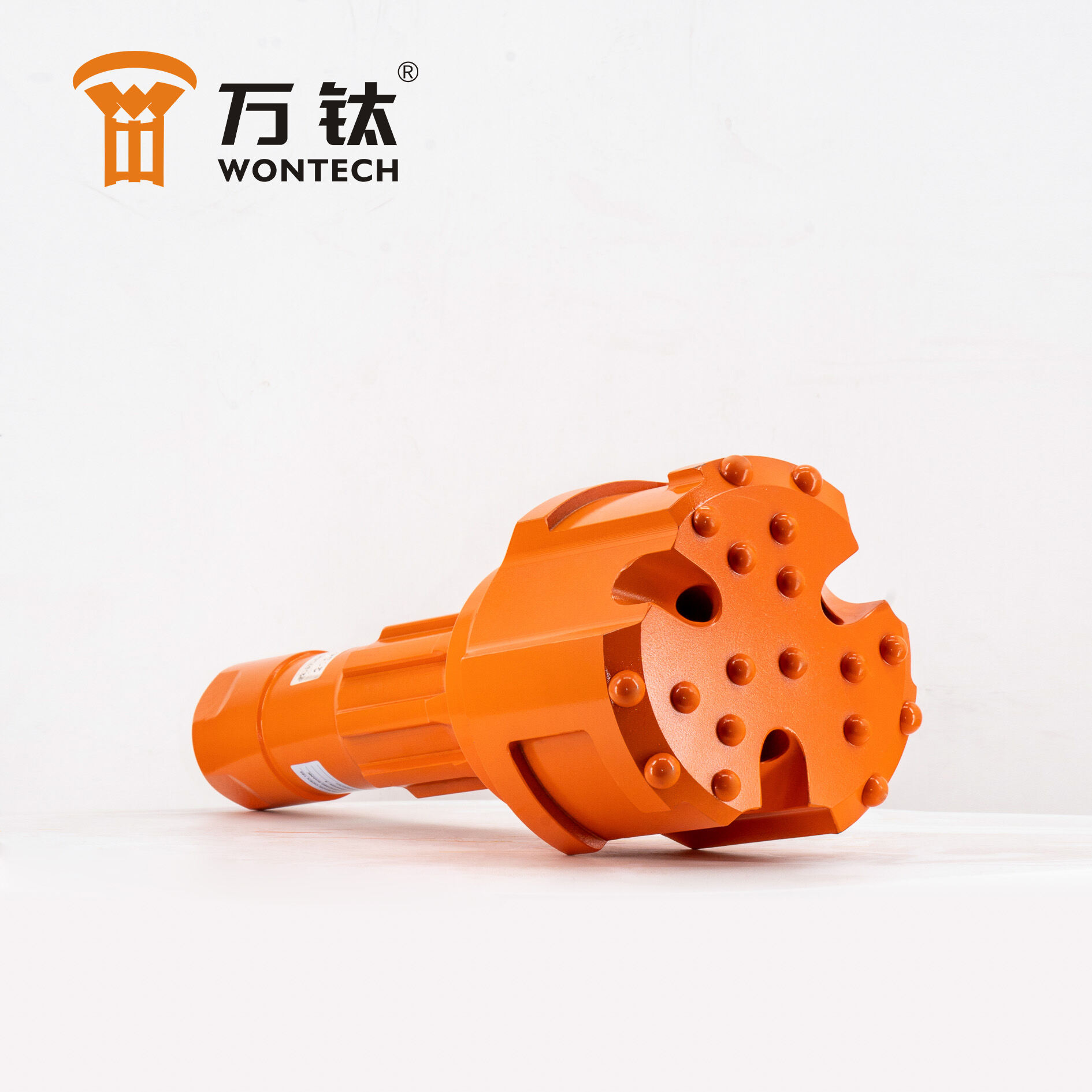
In the demanding world of drilling operations, selecting the right equipment can make the difference between project success and costly setbacks. Professional drillers understand that precision, efficiency, and reliability are paramount when working on water wells, geothermal systems, and other critical drilling applications. The concentric casing bit represents a revolutionary advancement in drilling technology, offering superior performance characteristics that have transformed how industry professionals approach challenging drilling scenarios. This specialized equipment delivers exceptional results through its innovative design and engineering excellence, making it an indispensable tool for modern drilling operations.
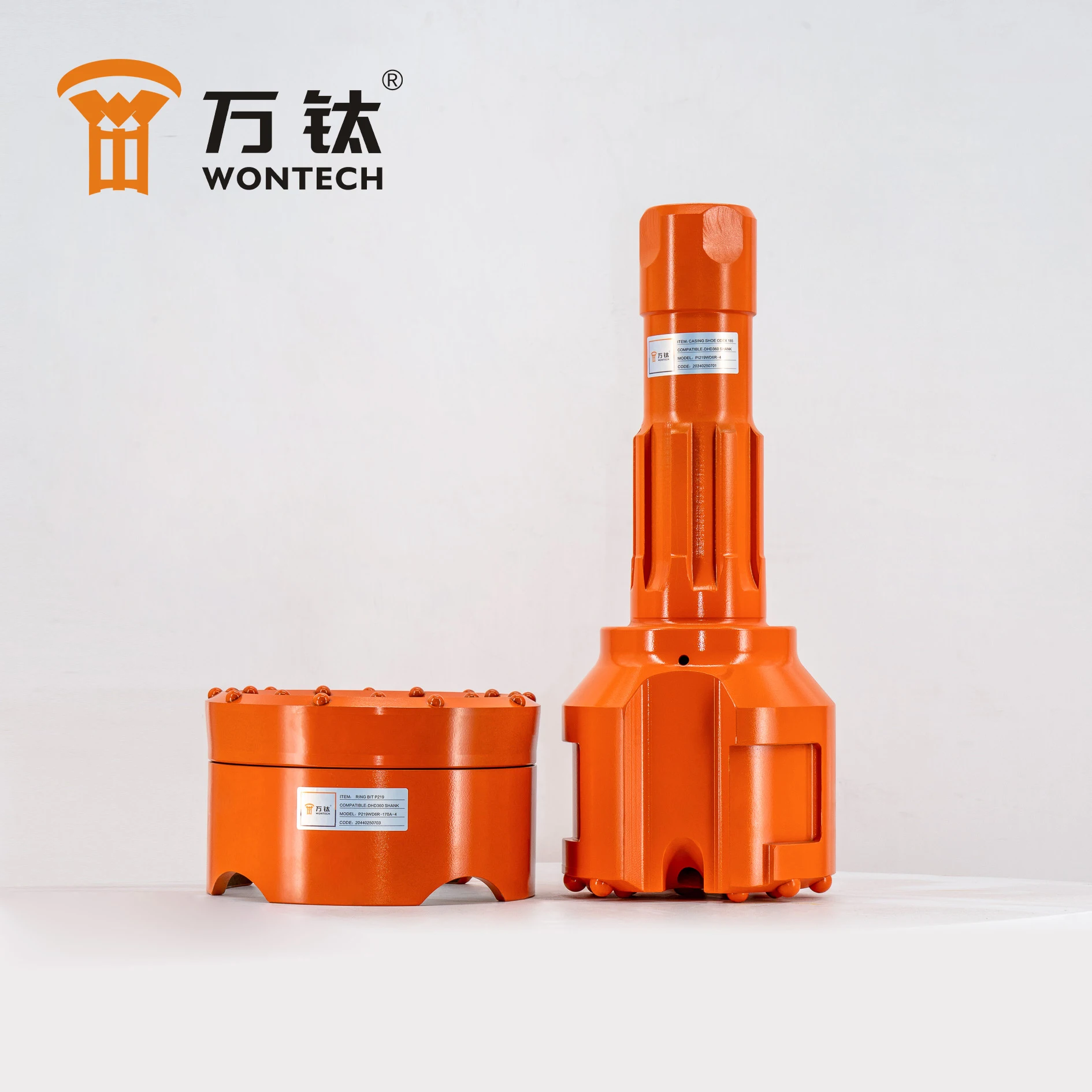
Advanced Design Features and Technical Specifications
Precision Engineering Elements
The engineering behind a high-quality concentric casing bit involves sophisticated manufacturing processes that ensure optimal performance in challenging drilling conditions. These bits feature precision-machined cutting surfaces that maintain their sharpness throughout extended drilling operations. The symmetrical design promotes balanced cutting action, reducing vibration and extending equipment lifespan significantly. Advanced metallurgy techniques create components that resist wear while maintaining cutting efficiency across various geological formations.
Material composition plays a crucial role in determining the effectiveness of these drilling tools. Premium carbide inserts strategically positioned throughout the bit face provide superior hardness and durability. The steel body undergoes heat treatment processes that optimize strength-to-weight ratios while maintaining flexibility under stress. Quality manufacturers implement rigorous testing protocols to ensure each concentric casing bit meets strict performance standards before reaching professional drilling operations.
Innovative Casing Integration System
The casing integration mechanism distinguishes these bits from conventional drilling tools through its seamless operation capabilities. This system allows simultaneous drilling and casing installation, dramatically reducing project timelines and operational costs. The concentric design ensures perfect alignment between the drilling bit and casing components, preventing deviation and maintaining hole integrity throughout the drilling process.
Advanced sealing technologies protect internal components from contamination while maintaining optimal hydraulic pressure distribution. The integrated system reduces the risk of hole collapse and minimizes environmental impact through controlled debris removal. Professional drillers appreciate how this technology simplifies complex drilling procedures while delivering consistently superior results across diverse geological conditions.
Optimal Performance Strategies
Drilling Parameter Optimization
Achieving maximum performance requires careful attention to drilling parameters that directly influence bit effectiveness and longevity. Rotation speed must be calibrated according to formation characteristics and bit specifications to prevent premature wear or inefficient cutting action. Feed pressure adjustments ensure optimal penetration rates while maintaining bit stability and preventing excessive stress on cutting components.
Air pressure management significantly impacts drilling efficiency and debris removal effectiveness. Proper air flow rates maintain clean cutting surfaces and prevent bit clogging while removing cuttings efficiently from the hole. Temperature monitoring helps prevent overheating that could compromise bit integrity or reduce cutting performance. Experienced operators develop intuitive understanding of these parameters through consistent application and performance observation.
Formation-Specific Techniques
Different geological formations require tailored approaches to maximize concentric casing bit effectiveness and prevent operational complications. Hard rock formations demand controlled penetration rates and consistent air pressure to maintain cutting efficiency without overwhelming the bit structure. Soft formations may require adjusted parameters to prevent excessive penetration that could compromise hole stability or casing installation accuracy.
Mixed formation drilling presents unique challenges that require adaptive techniques throughout the operation. Operators must remain vigilant for formation changes and adjust drilling parameters accordingly to maintain optimal performance. Understanding formation characteristics enables proactive adjustments that prevent equipment damage while maintaining drilling progress and quality standards.
Maintenance and Longevity Enhancement
Preventive Maintenance Protocols
Implementing comprehensive maintenance schedules significantly extends concentric casing bit service life while maintaining peak performance levels. Regular inspection routines identify wear patterns and potential issues before they compromise drilling operations or safety standards. Cleaning procedures remove accumulated debris and contaminants that could interfere with cutting efficiency or mechanical operation of integrated systems.
Lubrication maintenance ensures smooth operation of moving components while preventing premature wear from friction and heat buildup. Storage procedures protect bits from environmental damage and maintain component integrity between drilling projects. Documentation of maintenance activities helps track performance trends and optimize replacement schedules for maximum cost-effectiveness.
Performance Monitoring Systems
Advanced monitoring technologies enable real-time assessment of bit performance and condition throughout drilling operations. Vibration sensors detect abnormal operating conditions that could indicate wear or damage requiring immediate attention. Temperature monitoring systems prevent overheating that could compromise bit integrity or reduce cutting effectiveness significantly.
Data logging capabilities track drilling parameters and performance metrics that inform optimization decisions and maintenance scheduling. Trend analysis identifies patterns that predict maintenance requirements and replacement needs before failures occur. This proactive approach minimizes downtime while maximizing equipment utilization and project profitability for drilling operations.
Industry Applications and Specialized Uses
Water Well Drilling Excellence
Water well drilling represents one of the most demanding applications for concentric casing bit technology due to strict quality requirements and environmental considerations. These operations require precise hole dimensions and exceptional straightness to ensure proper casing installation and long-term well integrity. The concentric design eliminates deviation issues that plague conventional drilling methods while maintaining consistent hole quality throughout the entire drilling depth.
Contamination prevention becomes critical in water well applications where drilling fluid management and debris removal directly impact water quality and well performance. The integrated casing system provides superior protection against formation collapse and contamination infiltration during drilling operations. Professional water well drillers rely on these advanced tools to meet stringent regulatory requirements while delivering reliable water access solutions.
Geothermal System Integration
Geothermal drilling applications demand exceptional precision and reliability due to extreme operating conditions and significant project investments. High-temperature environments require bits capable of maintaining cutting efficiency while resisting thermal degradation that could compromise drilling progress or equipment integrity. The robust construction of quality concentric casing bits enables successful completion of geothermal projects under challenging conditions.
Deep drilling requirements in geothermal applications test equipment limits through extended exposure to high temperatures and pressures. The concentric design maintains hole stability throughout deep drilling operations while enabling efficient casing installation that protects the wellbore investment. These capabilities make concentric casing bits essential tools for successful geothermal energy development projects worldwide.
Selection Criteria and Specification Guidelines
Technical Specification Evaluation
Selecting the appropriate concentric casing bit requires careful evaluation of technical specifications that match project requirements and operating conditions. Diameter specifications must align precisely with casing requirements and hole design parameters to ensure proper fit and performance. Cutting structure design should complement anticipated formation characteristics while providing adequate durability for projected drilling depths.
Connection specifications ensure compatibility with existing drilling equipment while maintaining structural integrity under operating loads. Weight considerations affect handling requirements and drilling dynamics throughout the operation. Quality certifications and manufacturer reputation provide confidence in product reliability and performance consistency across multiple drilling projects.
Cost-Benefit Analysis Framework
Professional drilling operations require comprehensive cost-benefit analysis to optimize equipment investments and project profitability. Initial acquisition costs must be balanced against expected performance levels and service life projections to determine true value propositions. Operational efficiency improvements often justify premium equipment costs through reduced drilling time and improved success rates.
Maintenance requirements and replacement schedules significantly impact total ownership costs over equipment lifespans. Higher quality concentric casing bits typically deliver superior performance and longevity that reduce overall project costs despite higher initial investments. Smart procurement decisions consider long-term value rather than simply minimizing upfront expenses for optimal drilling operation profitability.
FAQ
What makes concentric casing bits different from conventional drilling bits
Concentric casing bits feature an integrated design that enables simultaneous drilling and casing installation, eliminating the need for separate operations. This design maintains perfect hole alignment while preventing deviation issues common with conventional bits. The symmetrical cutting structure provides balanced drilling action that reduces vibration and extends equipment life significantly compared to standard drilling bits.
How do I determine the correct size concentric casing bit for my project
Bit size selection depends on your casing outer diameter requirements and desired annular space specifications. The concentric casing bit should match your casing size precisely while accounting for any tolerance requirements in your specific application. Consult manufacturer specifications and consider formation characteristics when making final size determinations for optimal drilling performance.
What maintenance schedule should I follow for maximum bit life
Implement daily visual inspections during active drilling operations to identify wear patterns or damage early. Clean bits thoroughly after each use and apply appropriate lubricants to moving components. Store bits properly in dry conditions to prevent corrosion and maintain cutting edge sharpness. Schedule comprehensive inspections based on drilling hours and formation abrasiveness encountered during operations.
Can concentric casing bits work effectively in all geological formations
Quality concentric casing bits perform effectively across most geological formations when proper drilling parameters are maintained. Hard rock formations require controlled penetration rates and adequate air pressure for optimal performance. Soft formations may need parameter adjustments to prevent excessive drilling speeds that could compromise hole stability. Mixed formations require adaptive techniques throughout the drilling operation for best results.