
 EN
EN
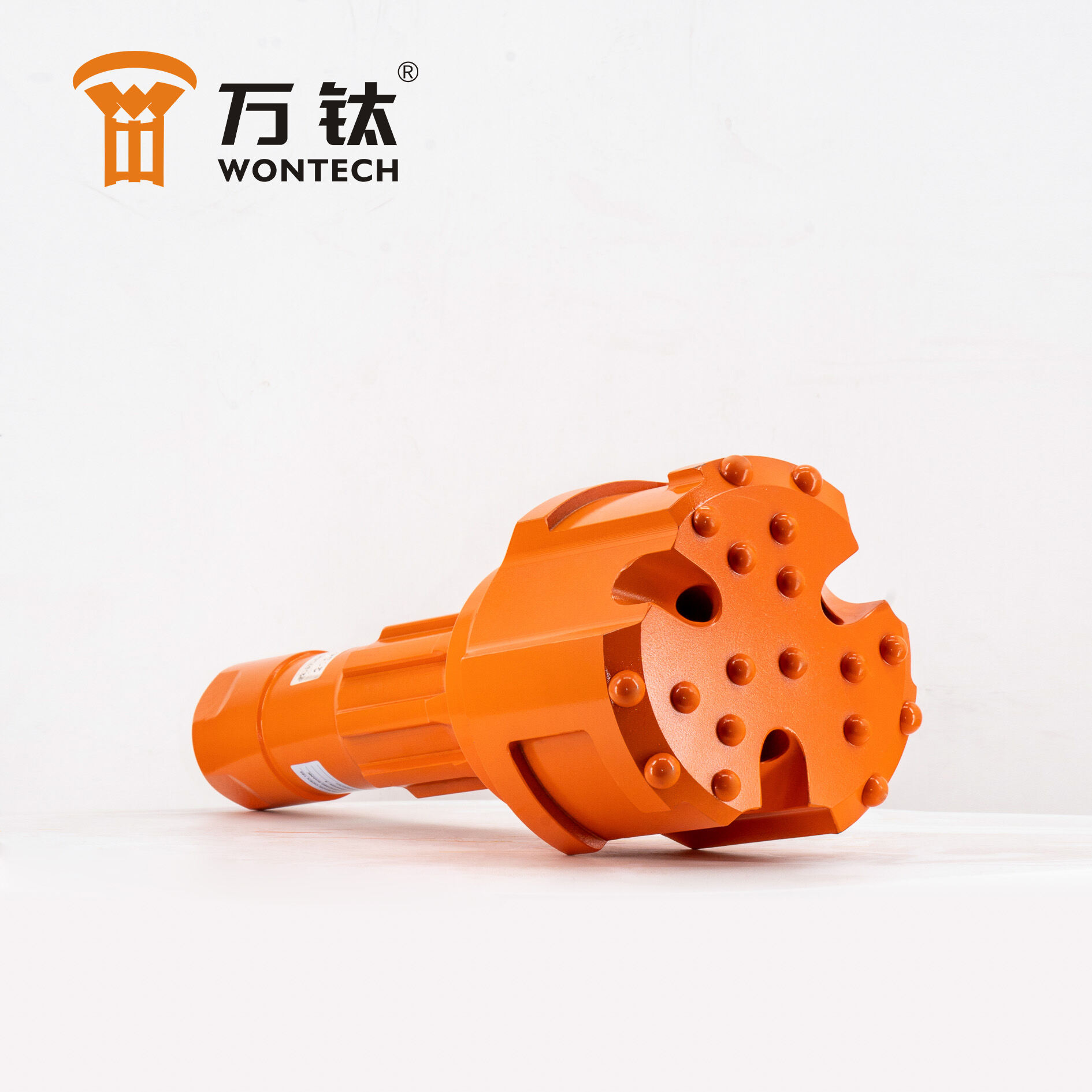
The drilling industry has witnessed significant advancements in recent years, with specialized equipment designed to maximize efficiency and precision. Among the most critical components in modern drilling operations is the concentric casing bit, which plays a pivotal role in achieving successful penetration across various geological formations. This innovative drilling tool combines the functionality of traditional drill bits with casing advancement capabilities, offering contractors a streamlined approach to well construction. Understanding the key features that distinguish high-performance concentric casing bits from standard alternatives is essential for professionals seeking to optimize their drilling operations and achieve superior project outcomes.
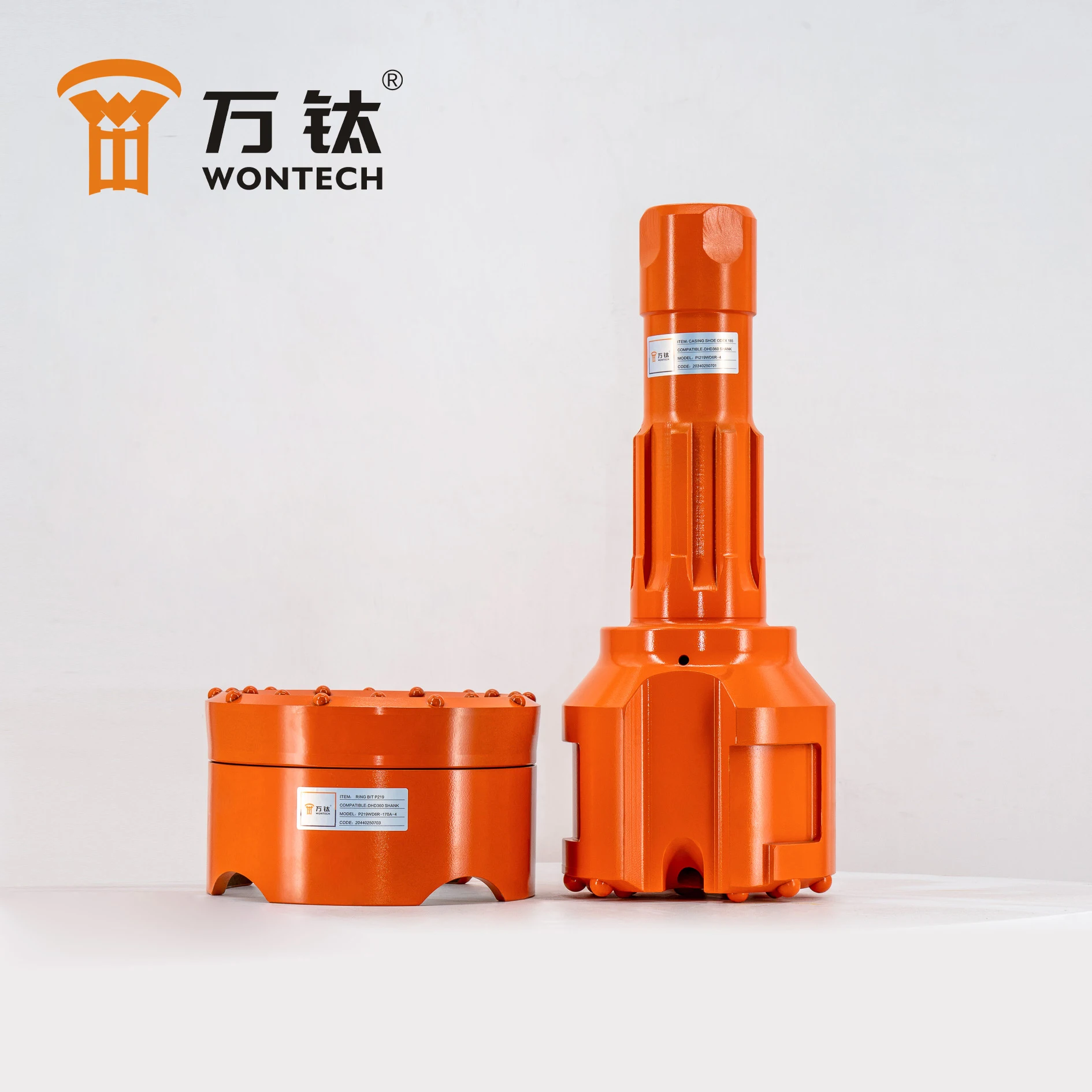
Advanced Cutting Edge Design
Multi-Stage Cutting Structure
The cutting edge design represents one of the most crucial aspects of any effective concentric casing bit system. Premium units feature a multi-stage cutting structure that incorporates strategically positioned tungsten carbide inserts or polycrystalline diamond compact (PDC) cutters. This arrangement ensures optimal load distribution across the bit face while maintaining consistent cutting action throughout the drilling process. The sophisticated geometry of these cutting elements allows for efficient material removal while minimizing vibration and extending overall tool life.
Modern cutting edge configurations also incorporate variable pitch designs that reduce harmonic resonance during operation. This engineering approach prevents the development of destructive vibration patterns that can compromise drilling efficiency and accelerate tool wear. The result is smoother drilling action with improved rate of penetration across diverse rock formations, from soft sedimentary layers to challenging crystalline structures.
Optimized Face Profile Engineering
The face profile of a high-quality concentric casing bit features carefully engineered crown geometry that promotes efficient chip evacuation while maintaining directional stability. This design element prevents the accumulation of drilling debris at the bit face, which can lead to reduced cutting efficiency and increased torque requirements. The optimized profile also contributes to improved hole quality by ensuring uniform material removal across the entire drilling diameter.
Advanced face profile engineering incorporates hydraulic considerations that optimize fluid flow patterns around the cutting elements. This design approach ensures adequate cooling and lubrication of the cutting interface while facilitating effective debris removal from the cutting zone. The enhanced fluid dynamics contribute to extended bit life and improved drilling performance in challenging downhole conditions.
Superior Casing Advancement Mechanism
Integrated Casing Shoe Design
The casing advancement mechanism represents a defining characteristic of effective concentric casing bit systems. Premium units feature an integrated casing shoe design that allows simultaneous drilling and casing installation without requiring separate operations. This innovative approach significantly reduces drilling time while maintaining precise hole alignment and diameter consistency throughout the advancement process.
The casing shoe incorporates hardened steel construction with wear-resistant coatings that withstand the abrasive conditions encountered during drilling operations. Strategic positioning of cutting elements around the shoe perimeter ensures effective material removal while protecting the casing from damage during advancement. This design feature is particularly valuable in unstable formations where conventional drilling methods may result in hole collapse or casing installation difficulties.
Expandable Shoe Technology
Advanced concentric casing bit systems often incorporate expandable shoe technology that allows for variable diameter drilling operations. This feature enables operators to create larger diameter holes at specific depths while maintaining smaller casing dimensions throughout the majority of the drilling process. The expandable mechanism typically utilizes spring-loaded cutting elements that extend under hydraulic pressure, providing precise control over hole diameter expansion.
The expandable shoe technology proves particularly beneficial in applications requiring underreaming or when transitioning between different casing sizes within a single drilling operation. This capability reduces the need for separate drilling runs while maintaining optimal hole quality and dimensional accuracy. The system also incorporates fail-safe mechanisms that prevent unintended expansion, ensuring operational safety and equipment protection.
Enhanced Drilling Fluid Management
Optimized Flow Path Design
Effective drilling fluid management constitutes a critical factor in the performance of any concentric casing bit system. Premium units feature optimized flow path designs that maximize fluid velocity at the cutting interface while ensuring efficient debris removal from the drilling zone. The internal flow geometry incorporates strategically positioned passages that direct drilling fluid to critical cutting areas while maintaining adequate cooling and lubrication throughout the system.
The flow path design also considers pressure drop characteristics to ensure optimal hydraulic efficiency during operation. By minimizing flow restrictions and optimizing fluid distribution, these systems maintain consistent cutting performance while reducing energy requirements. This engineering approach contributes to improved drilling rates and extended equipment life, particularly in demanding drilling applications.
Advanced Filtration Integration
Modern concentric casing bit designs incorporate advanced filtration systems that prevent contamination of drilling fluids during operation. These integrated filtration components remove harmful particles and debris that could otherwise compromise cutting efficiency or cause premature tool wear. The filtration system typically utilizes multi-stage screens or filters positioned at strategic locations within the fluid flow path.
The filtration integration also helps maintain consistent drilling fluid properties throughout extended drilling operations. This capability is particularly important in sensitive drilling applications where fluid contamination could compromise hole stability or environmental compliance requirements. The system design allows for easy filter maintenance and replacement without requiring complete tool disassembly, minimizing operational downtime.
Robust Construction and Durability Features
High-Strength Material Selection
The durability and longevity of concentric casing bit systems depend heavily on the quality of materials used in their construction. Premium units utilize high-strength steel alloys with enhanced fatigue resistance and wear characteristics. These materials undergo specialized heat treatment processes that optimize hardness distribution while maintaining toughness in critical stress areas. The material selection process considers the specific operating conditions and formation types encountered in target drilling applications.
Advanced metallurgical techniques ensure consistent material properties throughout the bit structure, preventing the development of stress concentrations that could lead to premature failure. The use of corrosion-resistant coatings further enhances durability in aggressive downhole environments. These material enhancements contribute significantly to extended tool life and improved operational reliability in challenging drilling conditions.
Reinforced Connection Systems
The connection system between the concentric casing bit and drilling assembly represents a critical component that must withstand substantial operational stresses. High-quality units feature reinforced connection designs with optimized thread profiles that distribute loads evenly across the engagement interface. These connections incorporate advanced sealing systems that prevent fluid leakage while maintaining structural integrity under varying pressure conditions.
The reinforced connection systems also utilize specialized materials and surface treatments that enhance resistance to galling and thread damage. This engineering approach ensures reliable connections throughout the operational life of the equipment while facilitating easy assembly and disassembly for maintenance purposes. The connection design also incorporates safety features that prevent accidental disconnection during drilling operations.
Precision Engineering and Quality Control
Manufacturing Tolerance Standards
The manufacturing precision of concentric casing bit components directly impacts their operational performance and reliability. Leading manufacturers implement stringent tolerance standards that ensure consistent dimensional accuracy across all critical components. These standards typically exceed industry norms and incorporate advanced manufacturing techniques such as CNC machining and coordinate measuring machine (CMM) inspection to verify compliance with specifications.
The precision engineering approach extends to the balance and concentricity of rotating components, which significantly influences drilling performance and tool life. Careful attention to these parameters reduces vibration and ensures smooth operation across the full range of operating speeds. The manufacturing process also incorporates quality checkpoints that verify compliance with design specifications before final assembly and testing.
Performance Testing and Validation
Comprehensive performance testing represents an essential aspect of quality concentric casing bit development and manufacturing. Leading manufacturers conduct extensive laboratory and field testing programs that validate tool performance across various drilling conditions and formation types. These testing protocols evaluate cutting efficiency, durability, and operational characteristics under controlled conditions that simulate real-world drilling environments.
The validation process includes accelerated wear testing that predicts tool life under specific operating conditions. This data enables accurate performance predictions and helps operators optimize drilling parameters for maximum efficiency. The testing results also provide valuable feedback for continuous design improvement and manufacturing process refinement, ensuring ongoing advancement in tool performance and reliability.
FAQ
What distinguishes a concentric casing bit from conventional drilling bits?
A concentric casing bit combines drilling and casing advancement functions into a single operation, eliminating the need for separate drilling and casing installation steps. Unlike conventional bits that only create holes, concentric casing bits feature integrated casing shoes that allow simultaneous material removal and casing placement. This design significantly reduces drilling time and improves hole quality by preventing collapse in unstable formations.
How do cutting element materials affect concentric casing bit performance?
The cutting element materials directly influence drilling efficiency, tool life, and performance across different rock formations. Tungsten carbide inserts provide excellent durability and cost-effectiveness for most drilling applications, while polycrystalline diamond compact (PDC) cutters offer superior cutting speed and longevity in harder formations. The selection depends on specific drilling conditions, budget considerations, and performance requirements for each application.
What maintenance practices extend the operational life of concentric casing bits?
Proper maintenance includes regular inspection of cutting elements for wear or damage, verification of connection integrity, and cleaning of fluid flow passages to prevent debris accumulation. Operators should also monitor drilling parameters to avoid excessive loads or speeds that could accelerate wear. Storage in clean, dry environments and proper handling during transportation help prevent corrosion and mechanical damage that could compromise performance.
How do I select the appropriate concentric casing bit for specific drilling conditions?
Selection requires consideration of formation hardness, drilling depth, hole diameter requirements, and operational constraints. Softer formations typically benefit from aggressive cutting structures, while harder rocks require more robust designs with enhanced wear resistance. The drilling fluid system, available drilling equipment, and project timeline also influence the optimal bit selection. Consultation with drilling equipment specialists ensures proper matching of bit characteristics to specific application requirements.
Table of Contents
- Advanced Cutting Edge Design
- Superior Casing Advancement Mechanism
- Enhanced Drilling Fluid Management
- Robust Construction and Durability Features
- Precision Engineering and Quality Control
-
FAQ
- What distinguishes a concentric casing bit from conventional drilling bits?
- How do cutting element materials affect concentric casing bit performance?
- What maintenance practices extend the operational life of concentric casing bits?
- How do I select the appropriate concentric casing bit for specific drilling conditions?